


Civic Museum of the Risorgimento and Oberdan Shrine



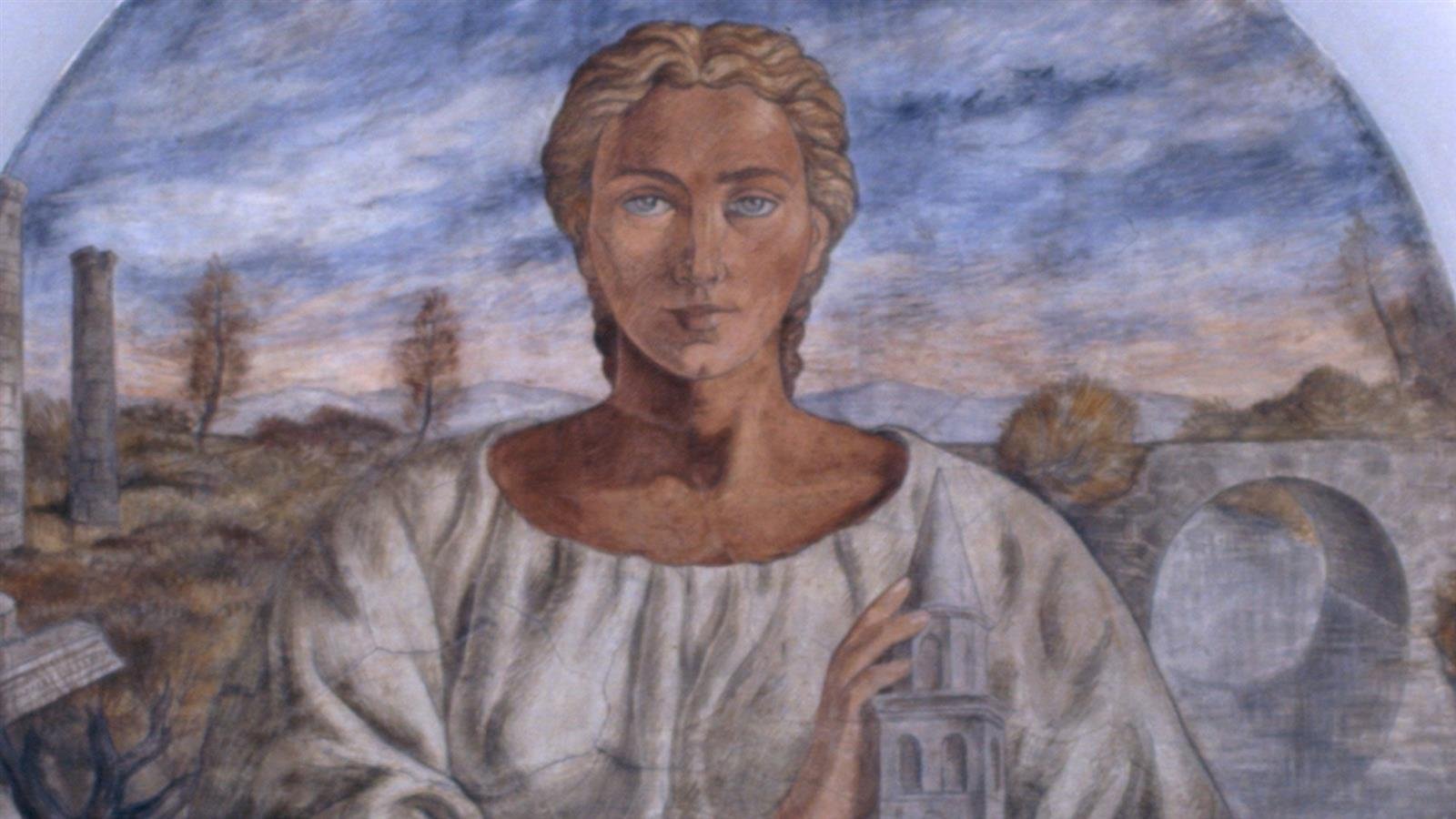
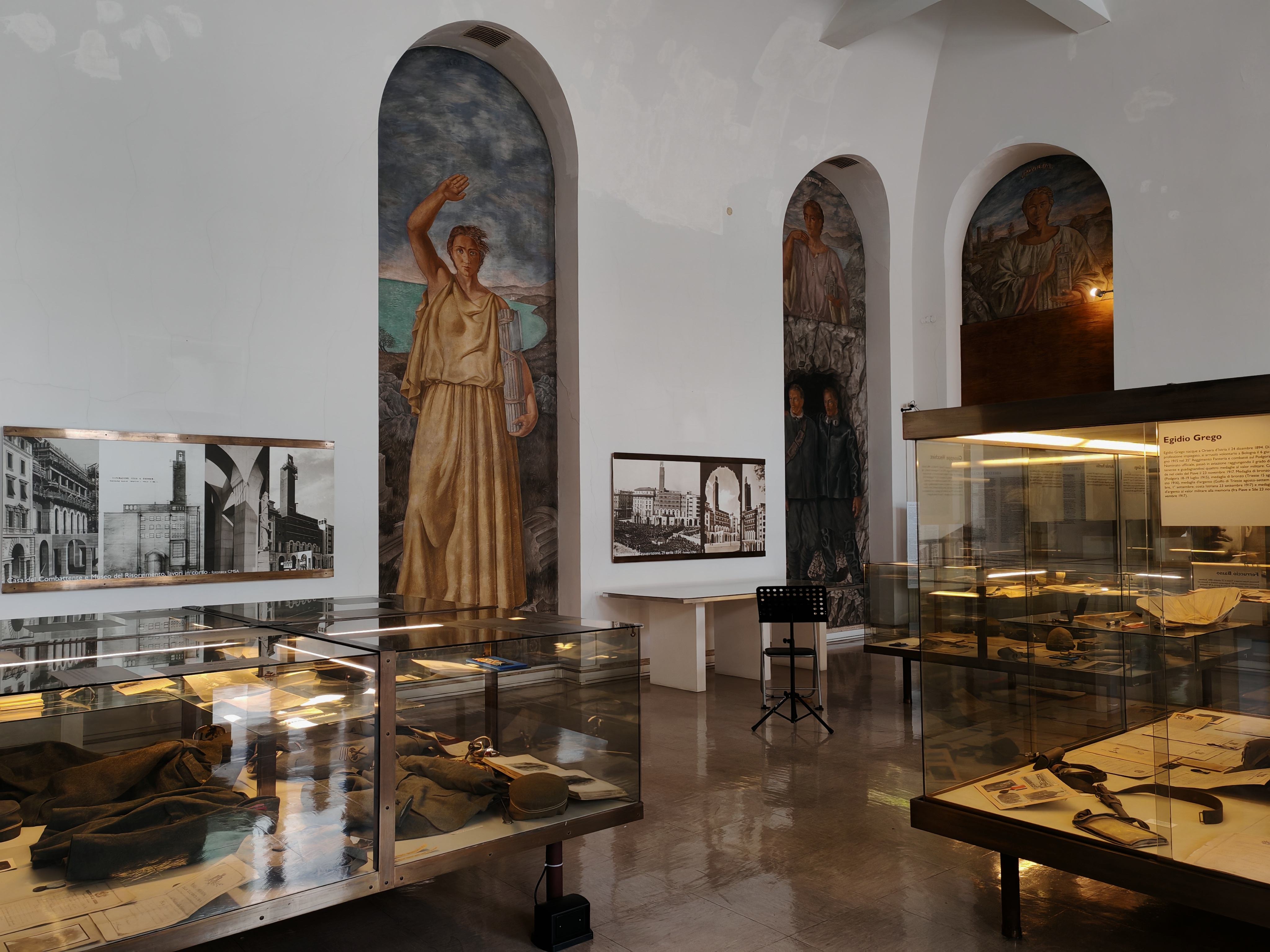
The Civic Museum of the Risorgimento is located on the first floor of Casa del Combattente, designed by architect Umberto Nordio. It was inaugurated in 1934 and is enriched by evocative frescoes by the Trieste artist Carlo Sbisà.
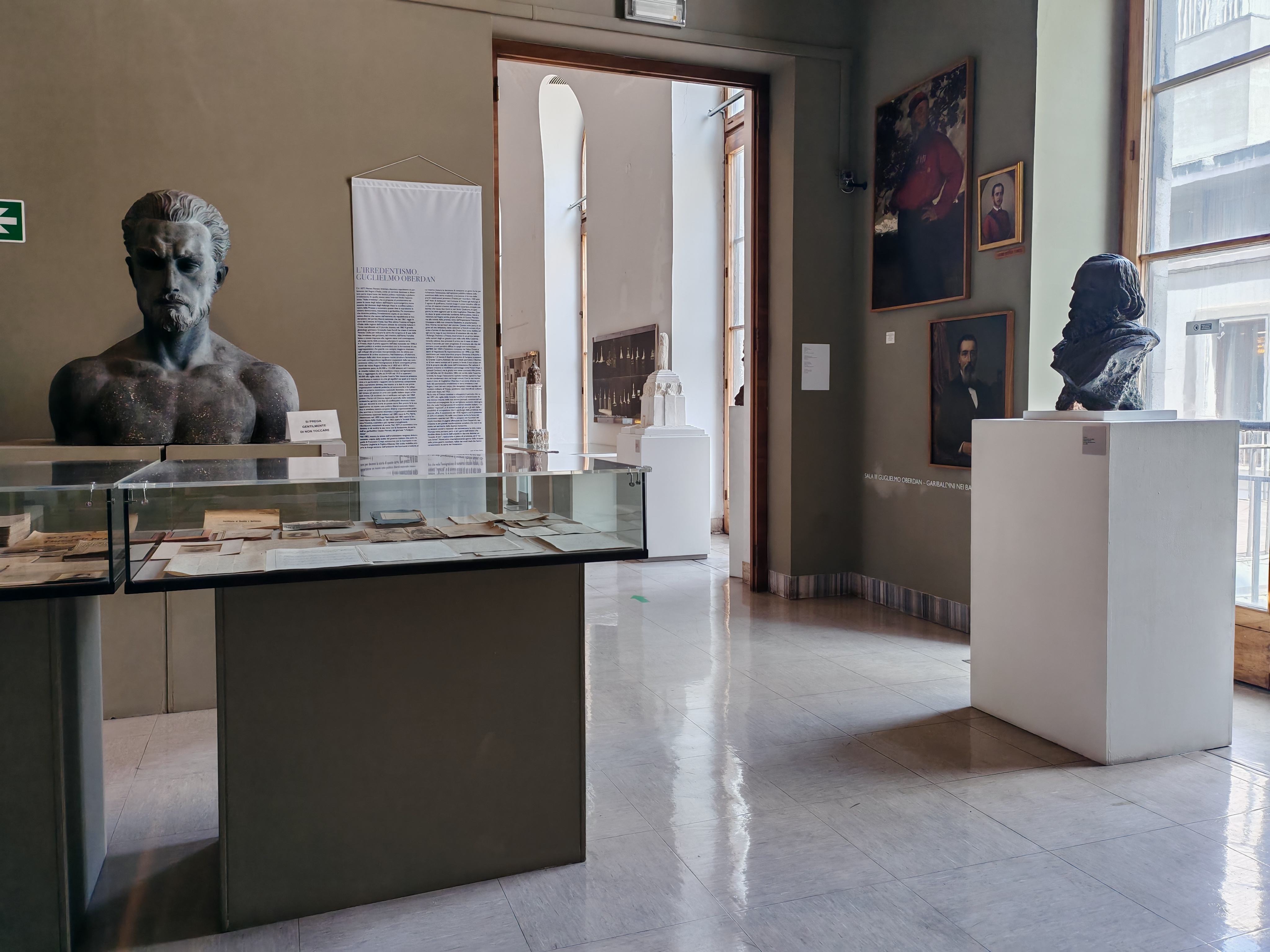
The museum is arranged in six rooms that still retain their original stylistic character, apart from a few alterations made in the 1960s, and recounts an important chapter in the history of the city and its territory between the nineteenth and twentieth centuries, following the theme of Irredentism. The visit begins with the first expressions of Italian national feeling during the uprisings of 1848, continues through the section devoted to the Julian Garibaldi volunteers, and reaches the years of the First World War, when many volunteers from this area enlisted in the Italian army. The Gold Medals Room is dedicated to those who received the highest award for military valour, either during their lifetime or posthumously.
The exhibition follows a chronological order and displays uniforms, photographs, weapons, portraits and documents covering this entire period. The last room celebrates the first “redemption” of Trieste.
Linked to the Museum of the Risorgimento is the shrine dedicated to Guglielmo Oberdan—an Italian irredentist executed in 1882 for desertion and for plotting an attempt on the life of Emperor Franz Joseph—which includes the cell where he was imprisoned and the imposing monument dedicated to him, created by sculptor Attilio Selva.

Address
Via XXIV Maggio, 4 presso Piazza Oberdan
I-34100 Trieste
0039 040 6754699
0039 040 6754068
museorisorgimento@comune.trieste.it
www.museodelrisorgimentotrieste.it