


San Sabba Rice Mill National Monument and Museum


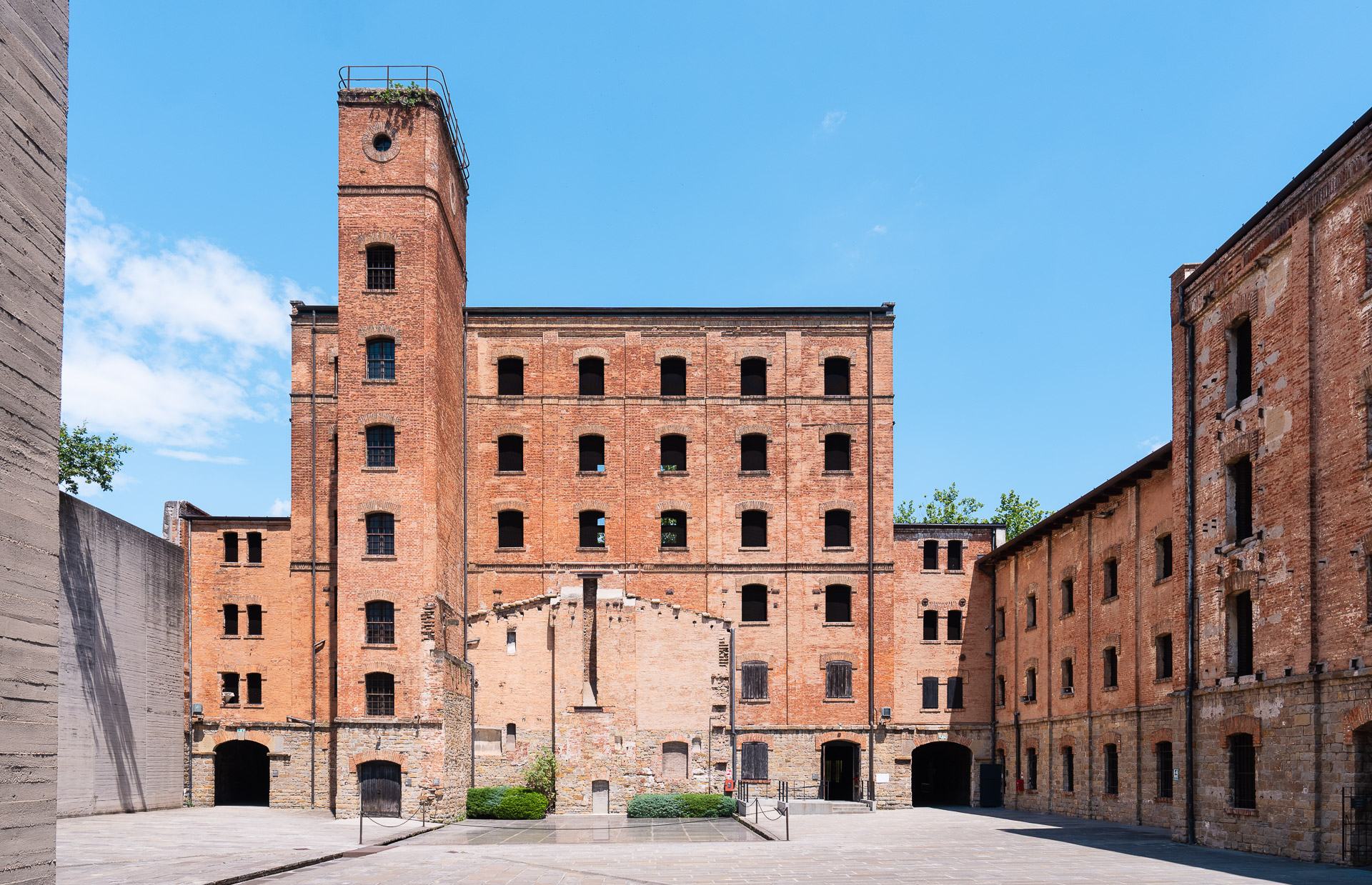
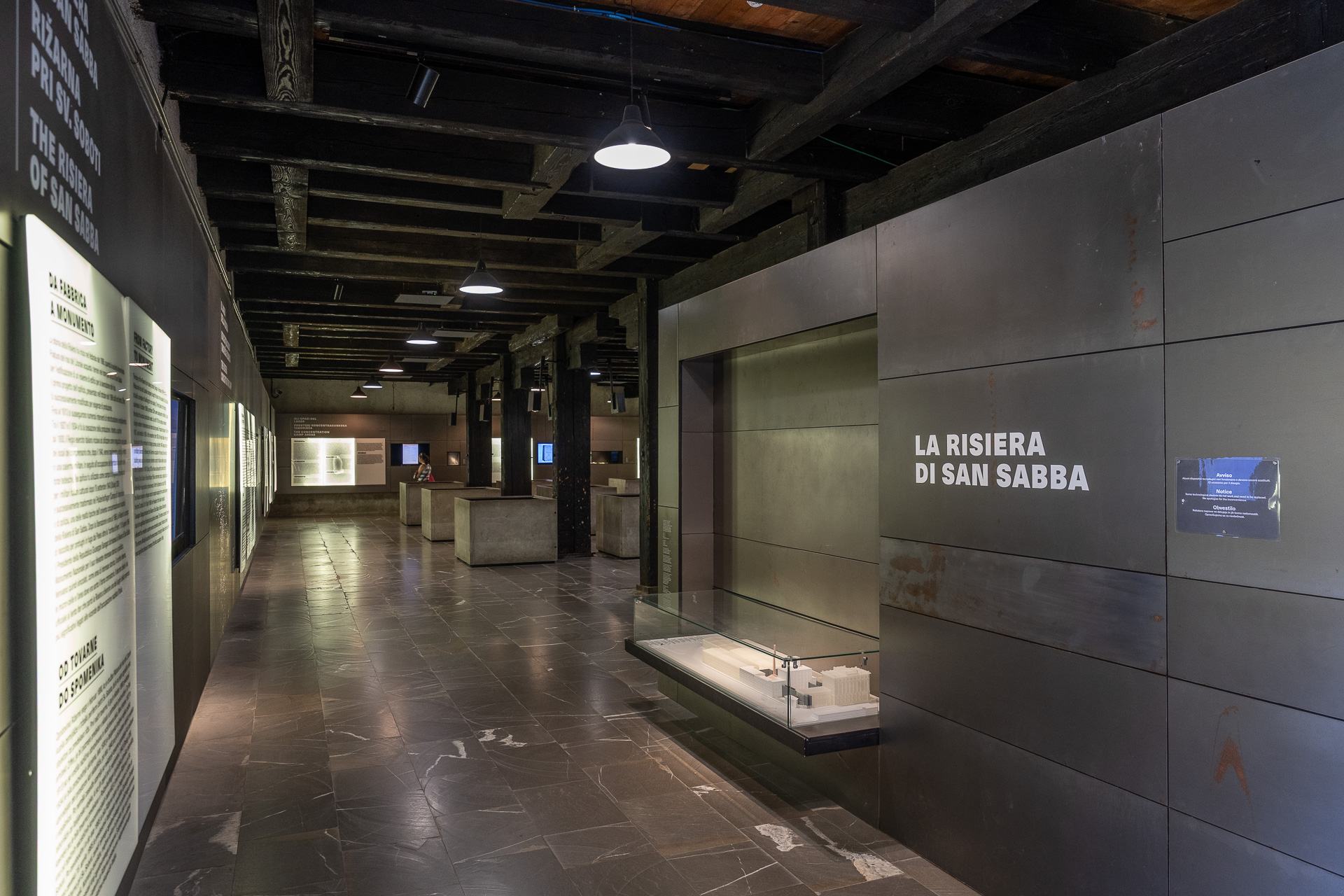
The Risiera di San Sabba is one of the most powerful and harrowing testimonies to the Nazi presence in Italy and today serves as a place of remembrance and reflection.
It was built at the end of the nineteenth century as a rice-husking mill and retained this function until the 1930s. It was subsequently used as a warehouse by the Royal Italian Army and later as a military barracks.
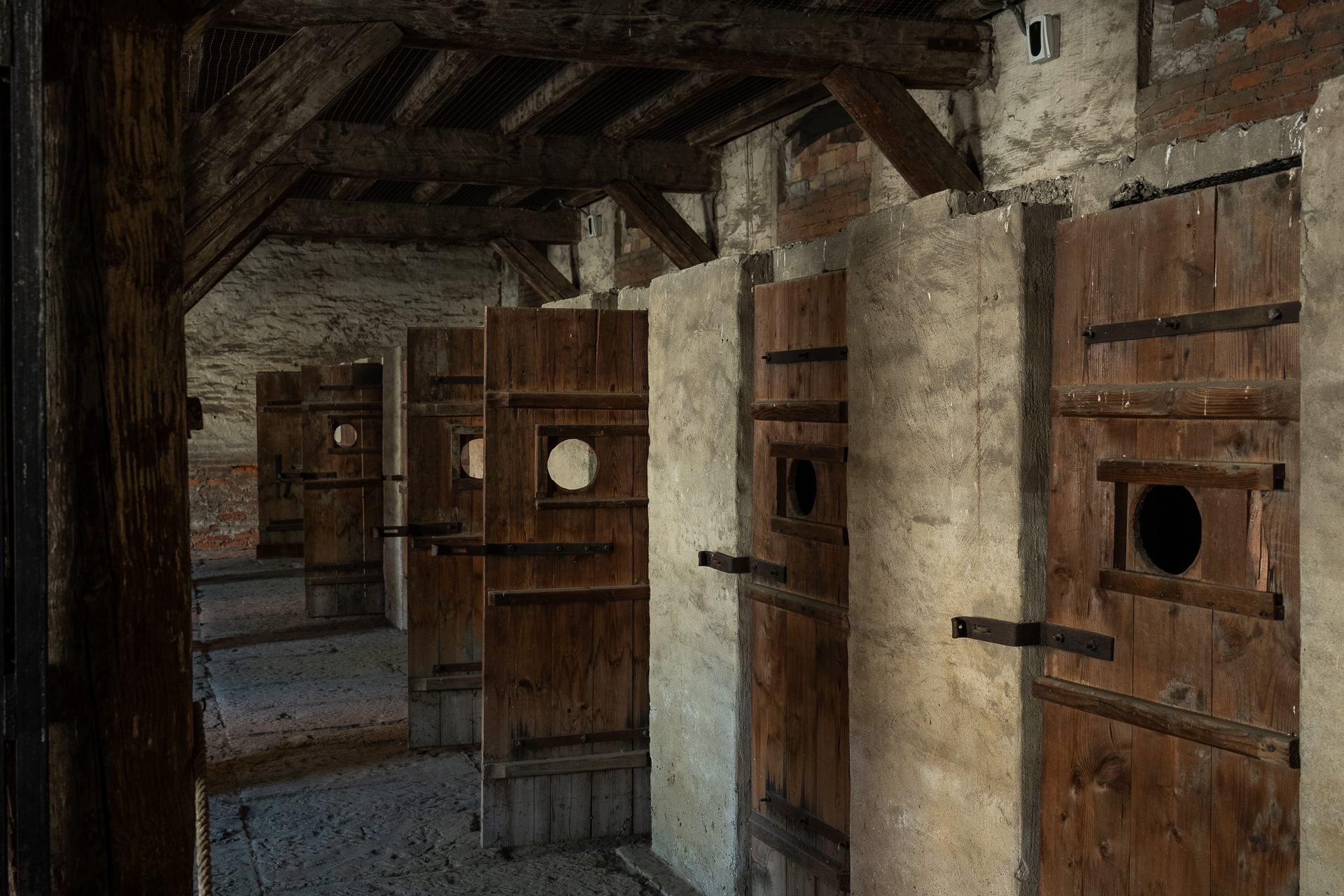
Following the Nazi occupation and the establishment of the Operational Zone of the Adriatic Littoral, the Risiera was transformed into a Polizeihaftlager, a police detention camp. It was used as a place of detention for Jews, partisans and political opponents and as a transit point for prisoners destined for deportation to concentration camps in Germany and Poland. An additional building stood in the inner courtyard and, from the summer of 1944 onwards, it was used as a crematorium, the only one in operation in Italy. No trace of this structure remains today: it was destroyed by the retreating Nazis at the end of the war, together with the documentation relating to the activities carried out within the complex.
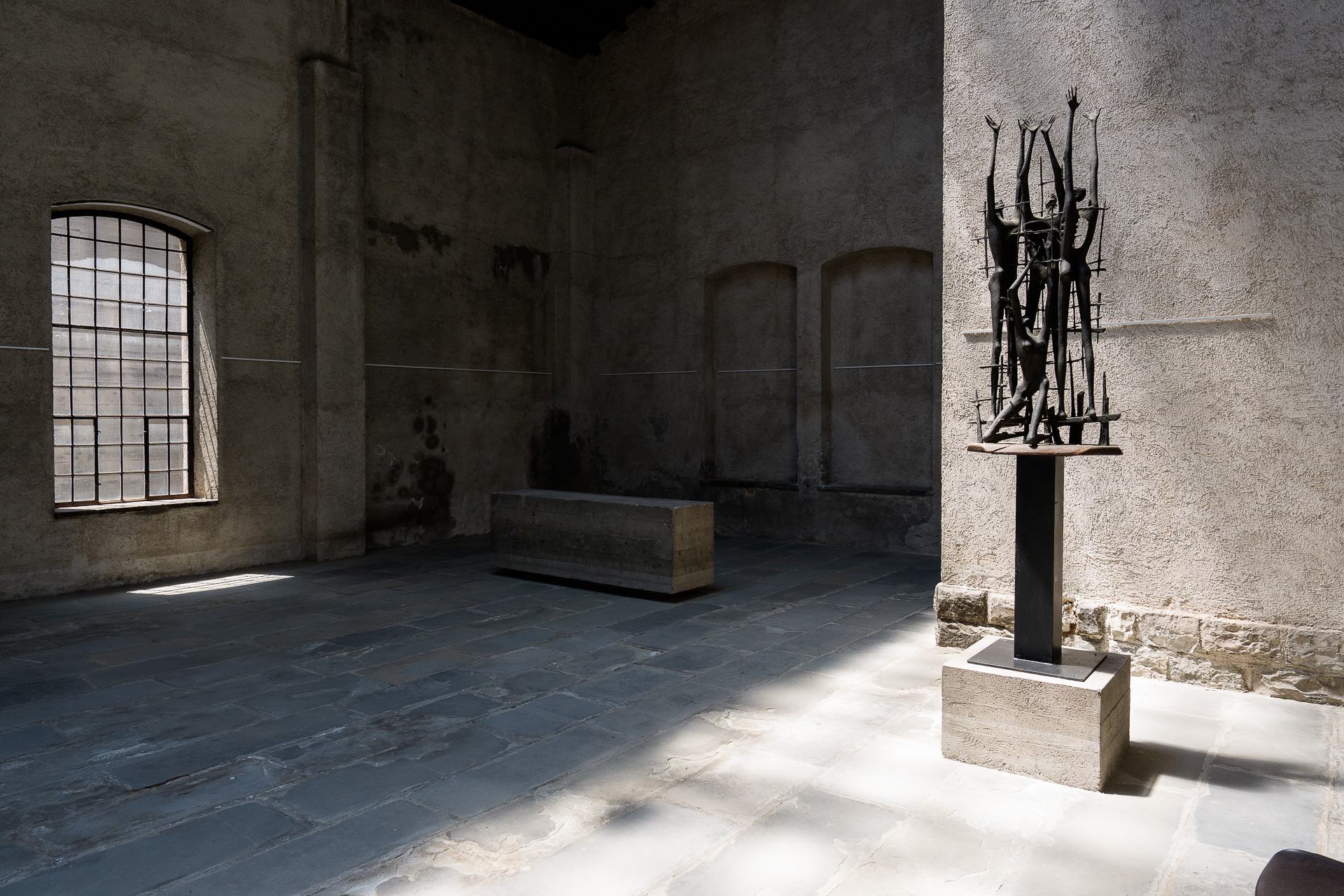
In 1965, the Risiera di San Sabba was declared a National Monument by the then President of the Italian Republic, Giuseppe Saragat. The site subsequently underwent an extensive restoration project designed by the Trieste-born architect Romano Boico and in 1975 was inaugurated as the Civic Museum of the Risiera di San Sabba.
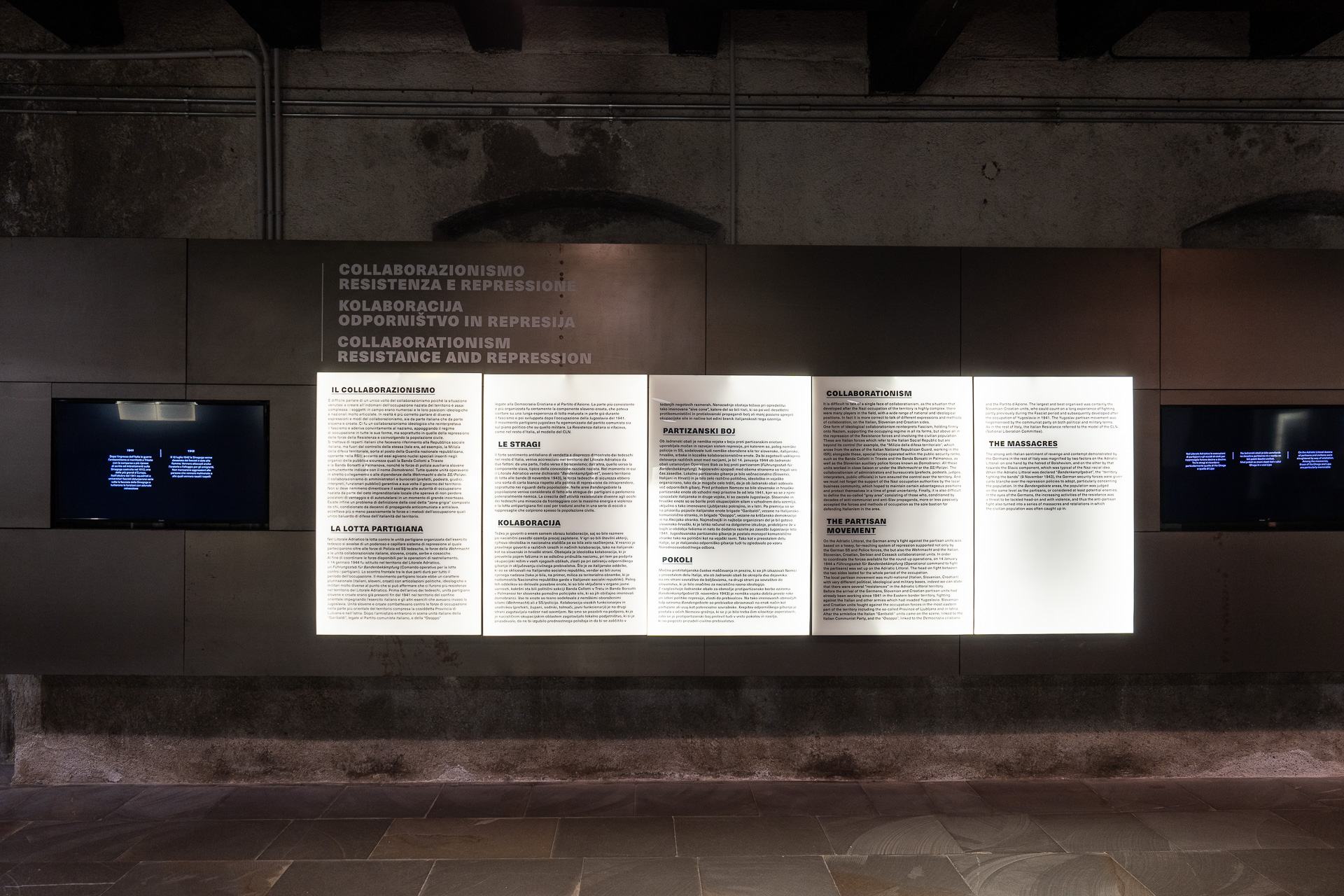

Information
via Giovanni Palatucci 5, Trieste
0039 040 826 202
risierasansabba@comune.trieste.it
Admission is free.
Opening hours can be found on the Risiera website.