The Cold War
1947 – 1991
1947-'49
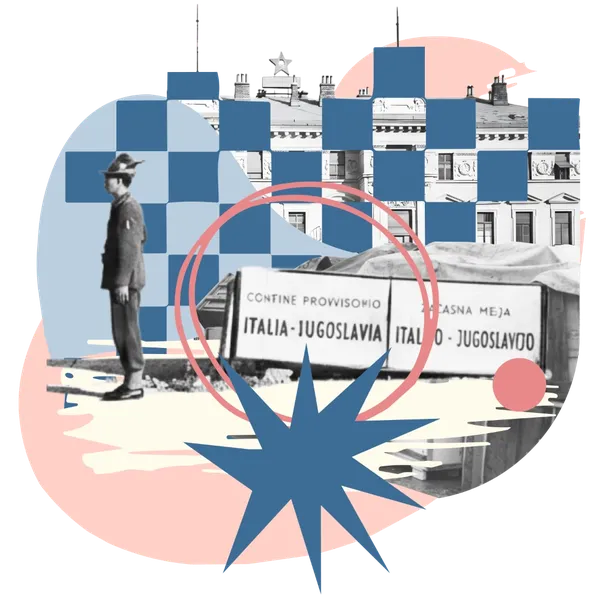
1947-'49
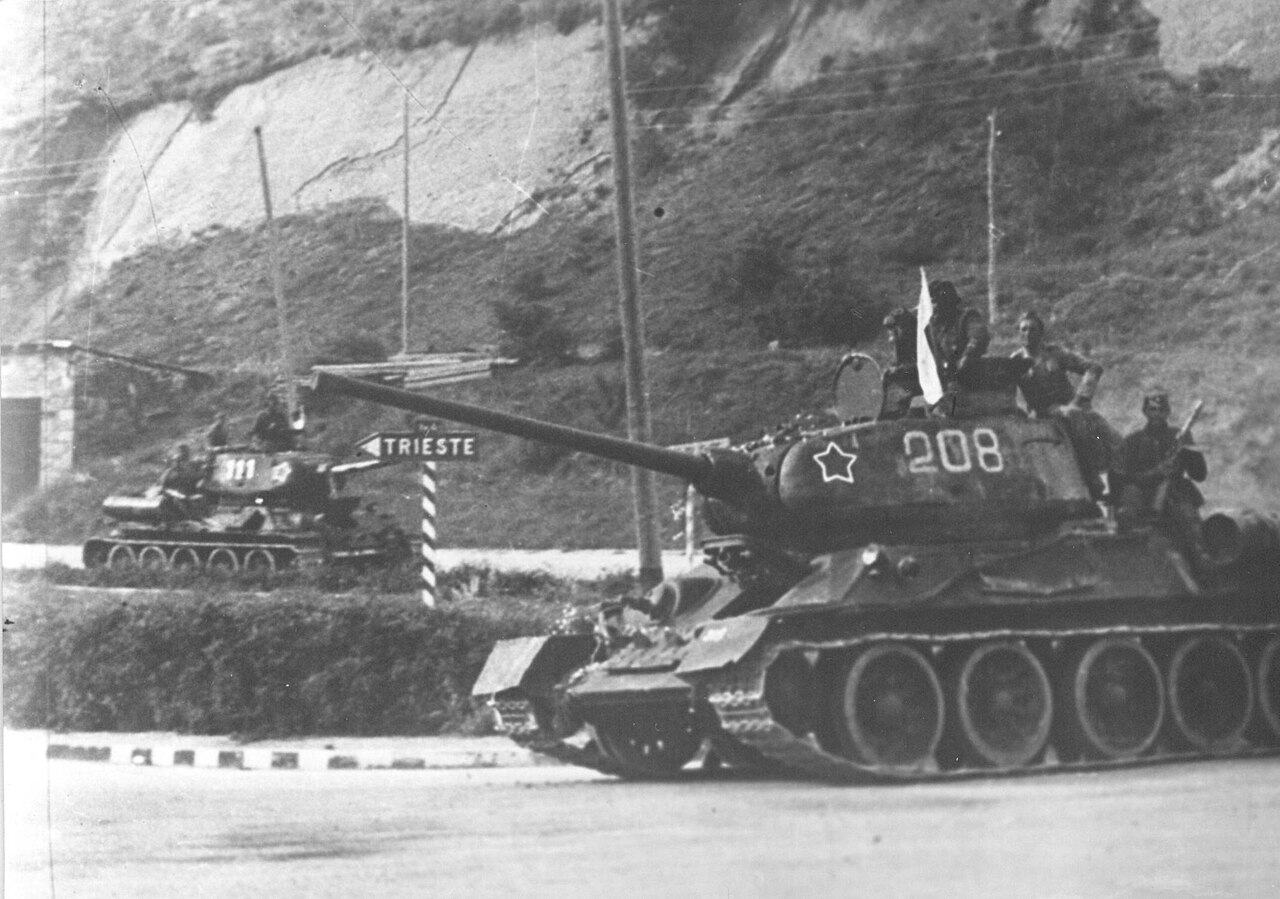
The "Race for Trieste"
Between April and May 1945, the dramatic "Race for Trieste" unfolded. Yugoslav forces under Tito and the British Army rushed to occupy the Julian city, each seeking to secure control over it. The diplomatic confrontation that followed effectively became the first major geopolitical crisis of the emerging Cold War. The dispute over the strategically important Adriatic port brought the interests of Moscow, London, Washington and Belgrade into direct opposition. The diplomatic and military standoff that ensued foreshadowed the dynamics of the future bipolar world, turning this border region into one of the first and most dangerous arenas of political tension and confrontation between the Western and Communist blocs.
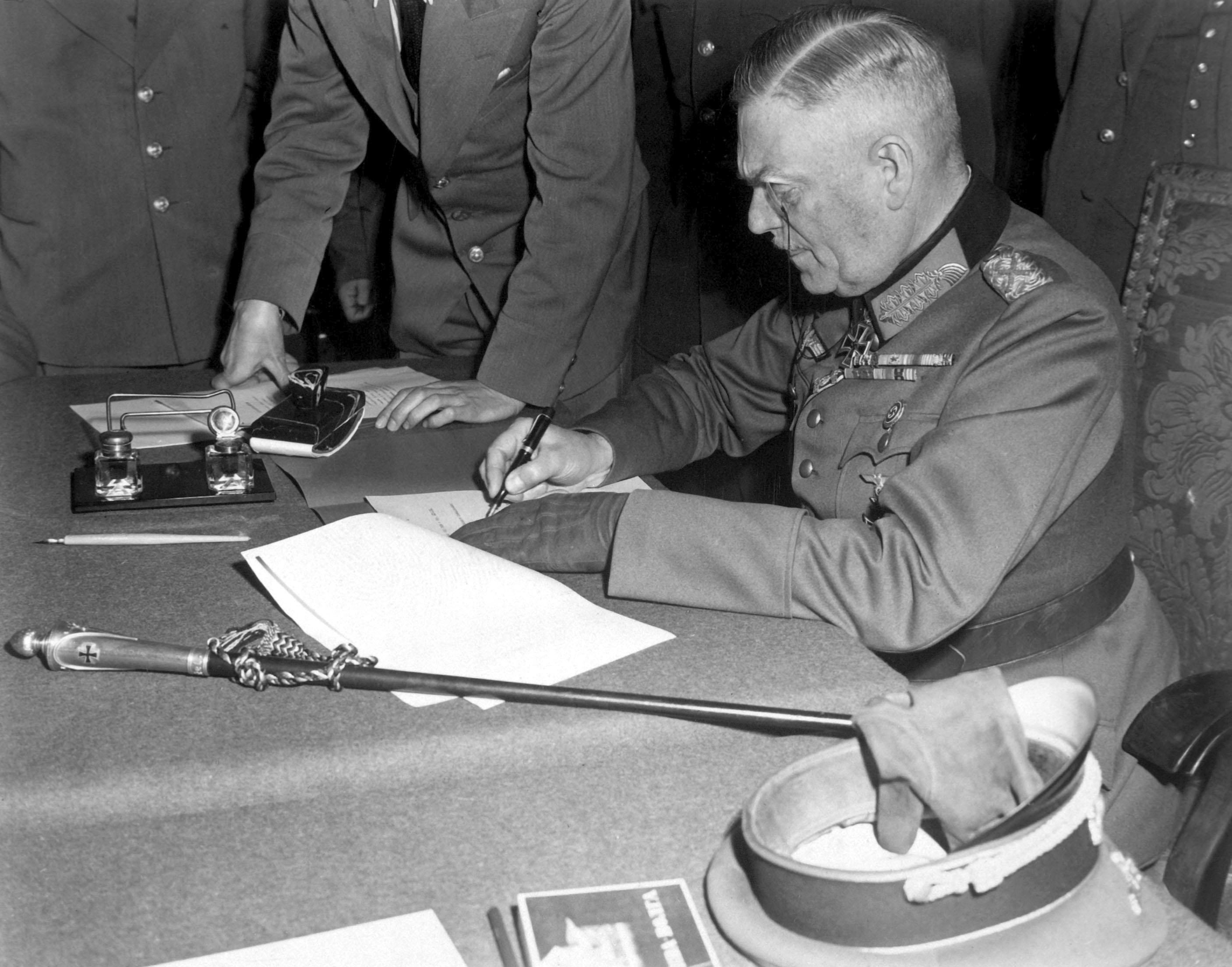
The End of the Second World War
On 8 May 1945, with the signing of Nazi Germany’s unconditional surrender, hostilities in Europe officially came to an end. However, the end of the conflict did not bring immediate stability; rather, it marked the beginning of a complex and tense geopolitical transition. In those very days, Central and Eastern Europe, together with border regions such as the Julian area, became the first testing grounds for the global polarization that would soon follow. The defeat of Nazism and Fascism left a power vacuum that accelerated the latent confrontation between the Western Allies and the Soviet Union, marking the definitive shift from wartime cooperation to the first rigid divisions of the Cold War.
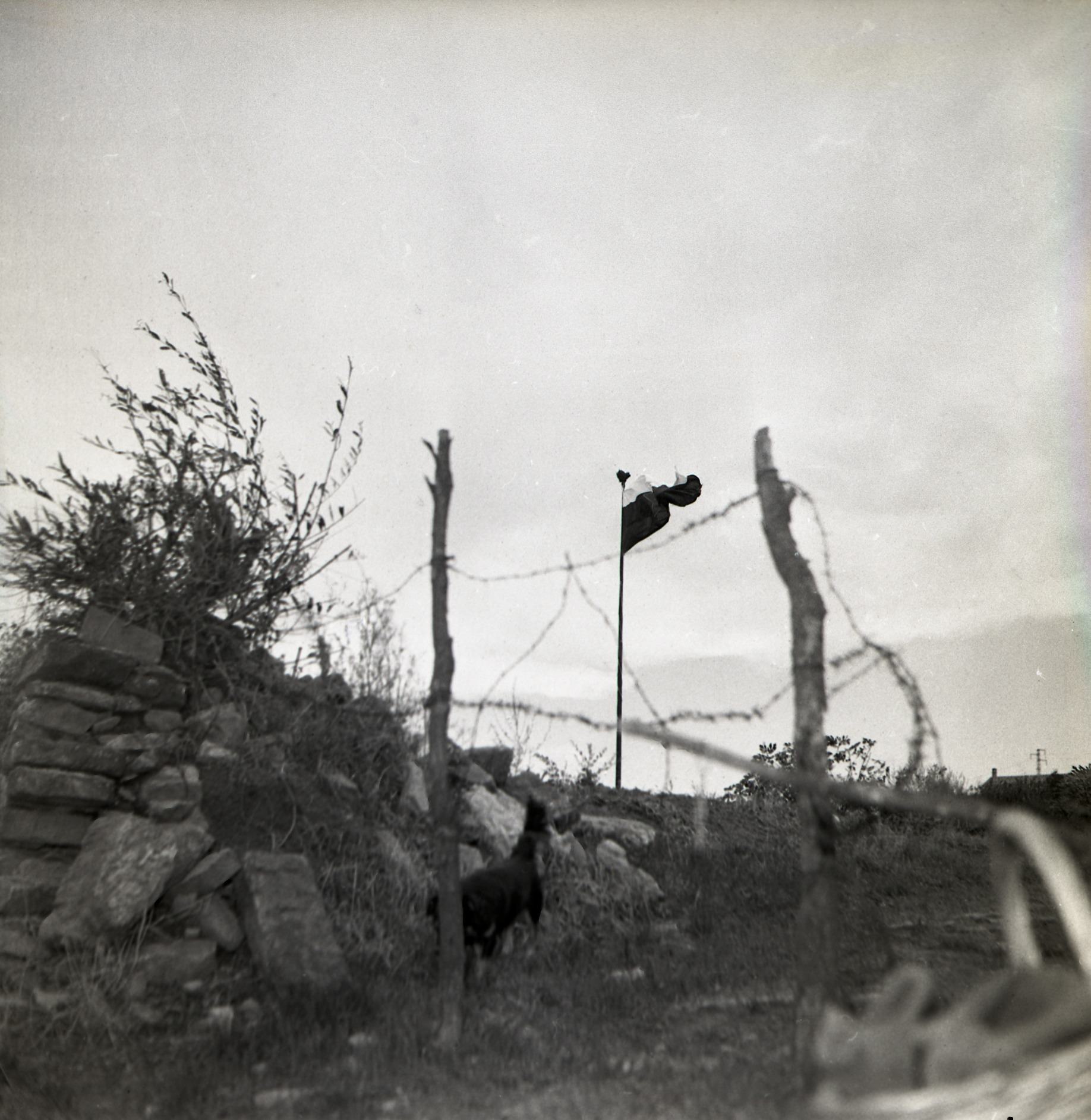
The Belgrade Agreement and the Morgan Line
On 9 June 1945, the signing of the Belgrade Agreement marked a decisive turning point for the future of Trieste and Venezia Giulia. The treaty brought an end to the harsh Yugoslav occupation of the city, which had lasted forty-two days, and established the Morgan Line as a provisional border. The territory was thus divided into two areas: Zone A, including Trieste, Gorizia and Pola, placed under the control of the Anglo-American Allied Military Government, and Zone B, administered by the Yugoslav Army. Under this diplomatic compromise, Tito’s troops withdrew from Trieste on 12 June, removing the immediate threat of armed conflict and solidifying one of the first frontiers of the Cold War.
The "Iron Curtain"
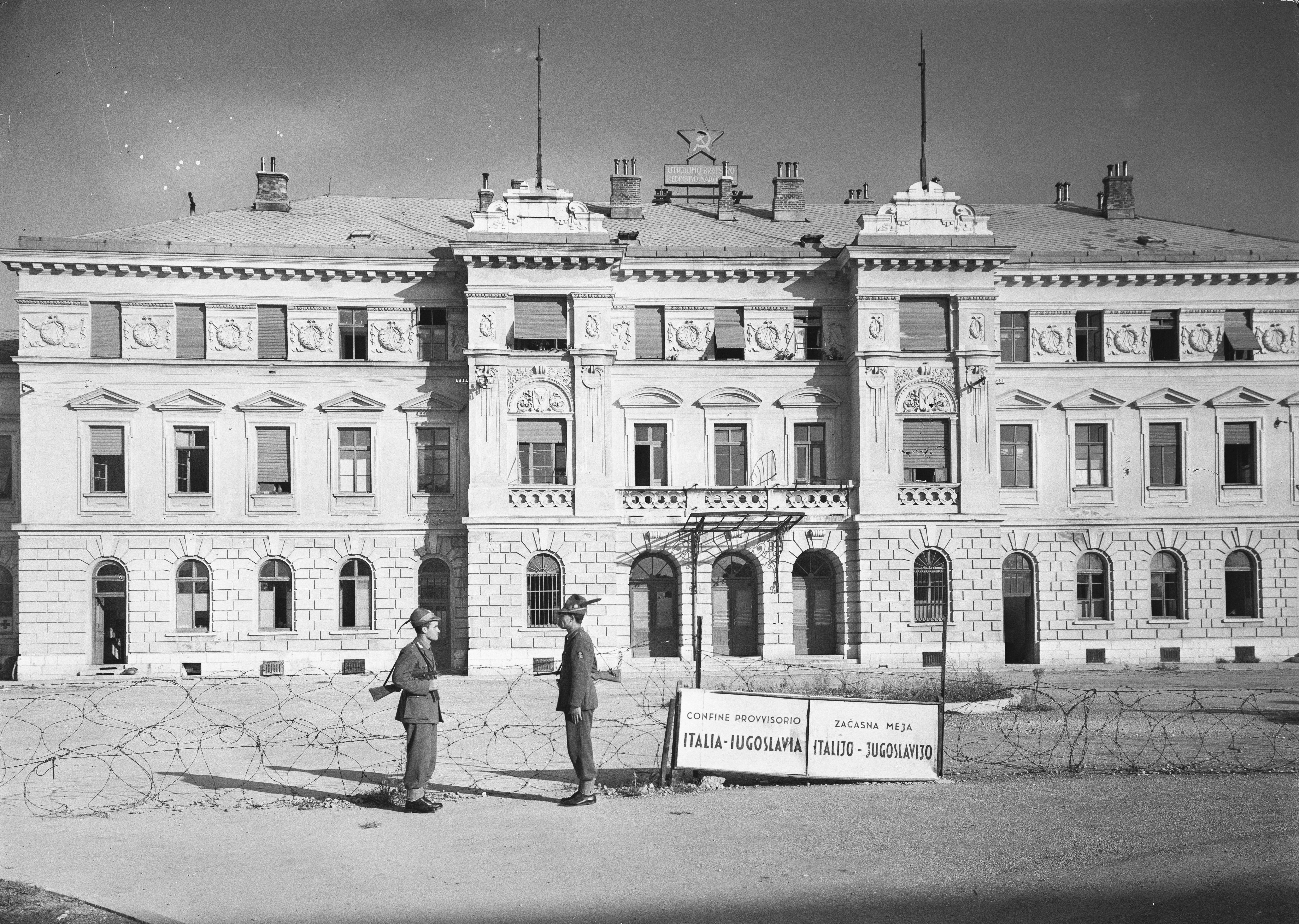
On 5 March 1946, in Fulton, Missouri, Winston Churchill delivered the famous speech that politically marked the beginning of the Cold War. With the words, “from Stettin in the Baltic to Trieste in the Adriatic, an iron curtain has descended across the Continent,” the British statesman vividly described the emergence of the Soviet bloc and the division of Europe. By explicitly mentioning Trieste as the southern end of this symbolic barrier, Churchill highlighted the geopolitical importance of the Julian region, officially identifying it as both a physical and symbolic frontier between the Western and Communist worlds.
The Paris Peace Treaties and the Free Territory of Trieste
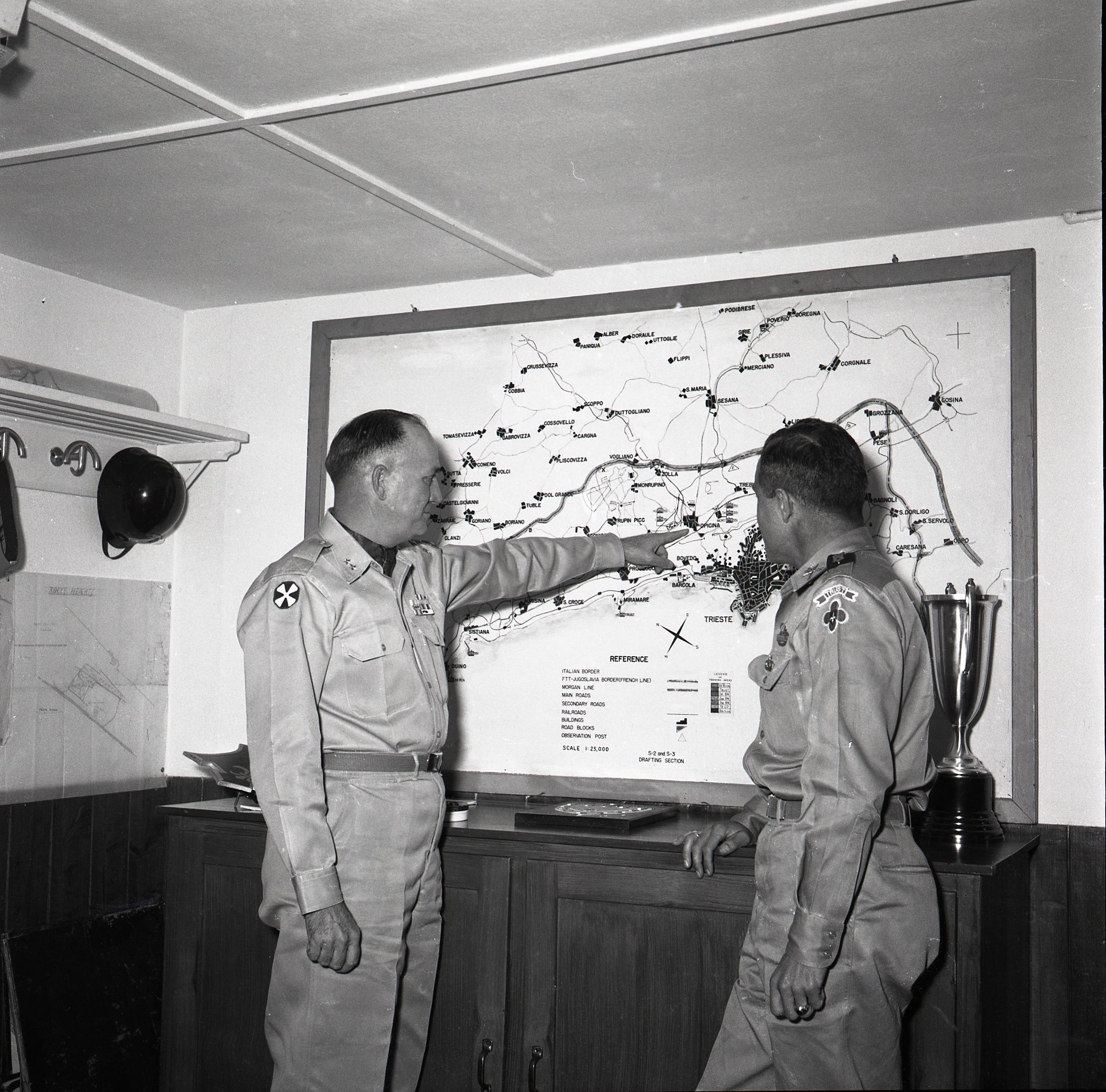
On 10 February 1947, the Paris Peace Treaties confirmed Italy’s status as a defeated nation in the Second World War, imposing severe territorial losses. With the signing of the peace agreements, Italy permanently lost large portions of Venezia Giulia beyond the previous Morgan Line: the entire Istrian Peninsula, including Pola, the islands of Cherso and Lussino, the territories of Fiume and Zara, and the upper Isonzo Valley were ceded to Yugoslavia. It was also decided to establish the Free Territory of Trieste as a neutral buffer state. However, it never became an autonomous state entity and remained divided until its dissolution into Zone A, administered by the Anglo-Americans, and Zone B, governed by Yugoslavia. This new frontier became a rigid and largely impermeable barrier. It was during this period that the mass exodus of Italians from the territories assigned to Yugoslavia began. A second wave of refugees followed in 1954, after the signing of the London Memorandum.
The North Atlantic Treaty and the Birth of NATO
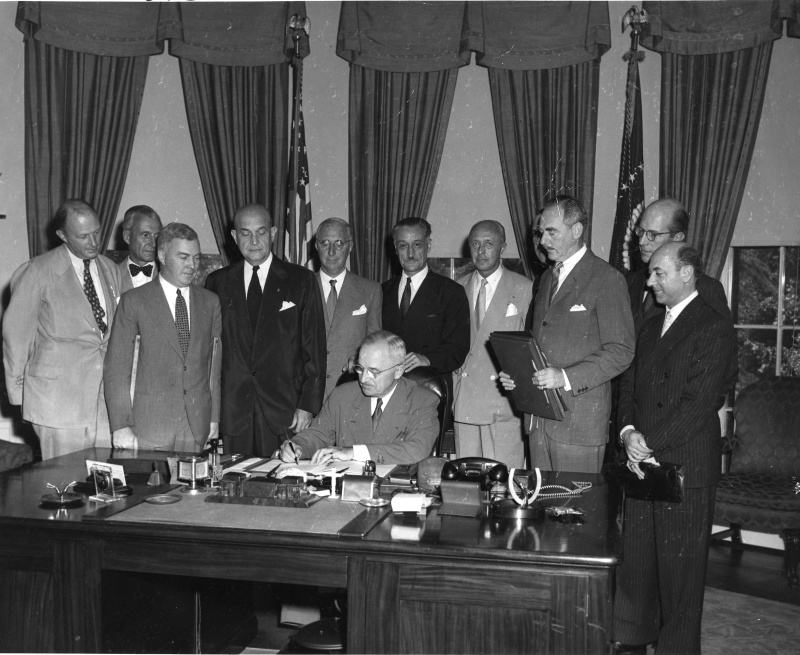
On 4 April 1949, the signing of the North Atlantic Treaty led to the creation of NATO (North Atlantic Treaty Organization), an intergovernmental defensive alliance established to ensure the collective security of Western countries in the face of the growing threat posed by the Soviet Union. Based on the fundamental principle of Article 5, whereby an armed attack against one member state is considered an attack against all signatories, the organization created a system of mutual military assistance and political cooperation. This international alliance shaped the strategic architecture of the Western bloc, becoming the cornerstone of the policy of containment and the principal military pillar of global stability throughout the Cold War. Italy’s eastern border thus became the first line of defence against a potential invasion from the East.
1951-'54
1951-'54
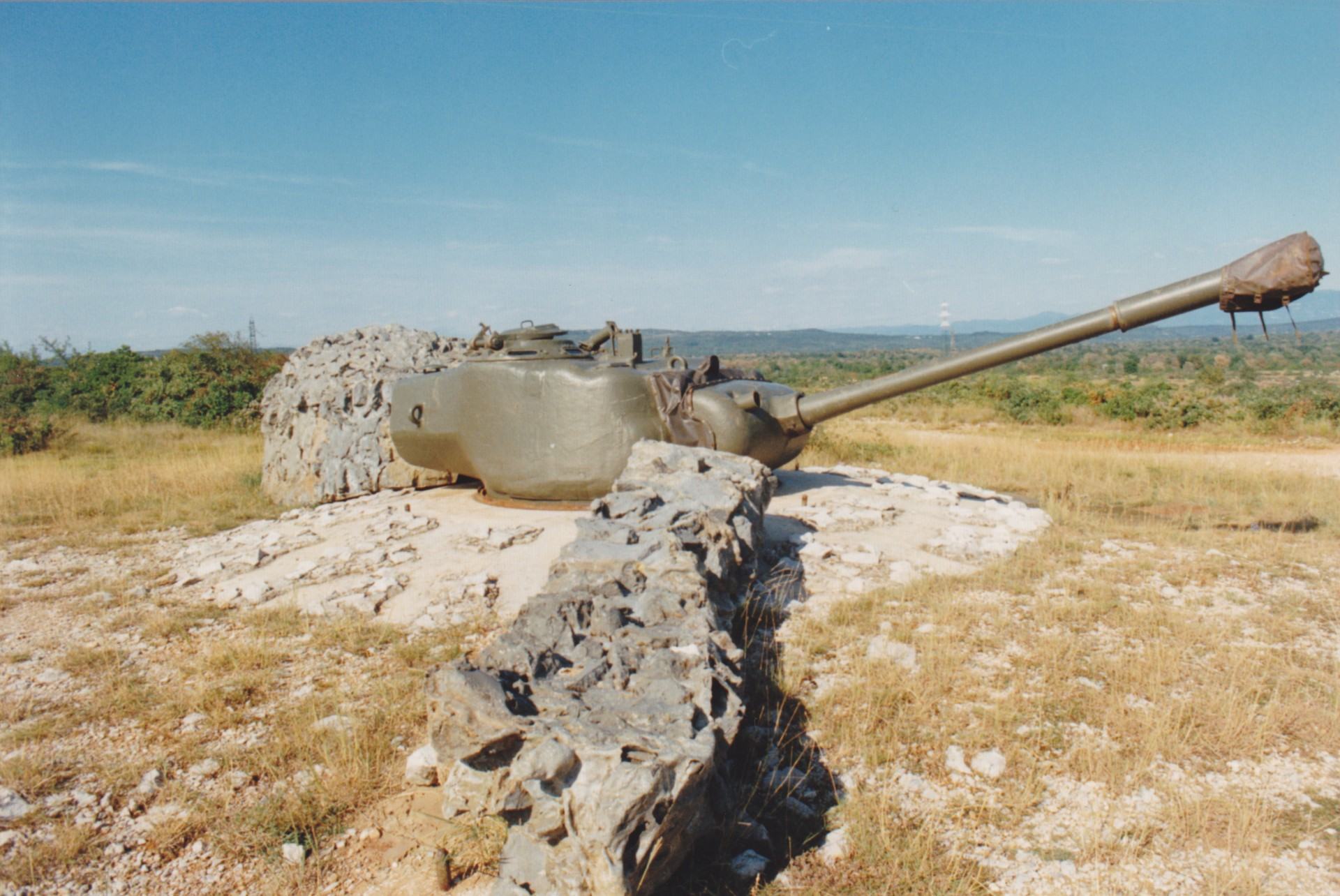
The Fortification of the Eastern Border
Following Italy’s accession to NATO, the Army General Staff launched a major secret plan for the defence of the eastern border, entrusting part of this task to an extensive system of bunkers. In the spring of 1951, work began in the mountainous areas of Friuli to restore and modernize several fortifications of the Alpine Wall, the defensive line built by the Fascist regime during the 1930s and 1940s. At the same time, numerous new fortifications were constructed across the plains along the strategic axis of the Tagliamento River. During the second half of the 1950s, fortification efforts also extended to the areas adjacent to the Italian-Yugoslav border, particularly the “Gorizia Gap”, considered the most strategically sensitive sector along the entire frontier. This extensive defensive system—designed to slow a potential invasion by Warsaw Pact forces—was continuously guarded and maintained until the end of the Cold War by specialized Army units created specifically for this purpose.
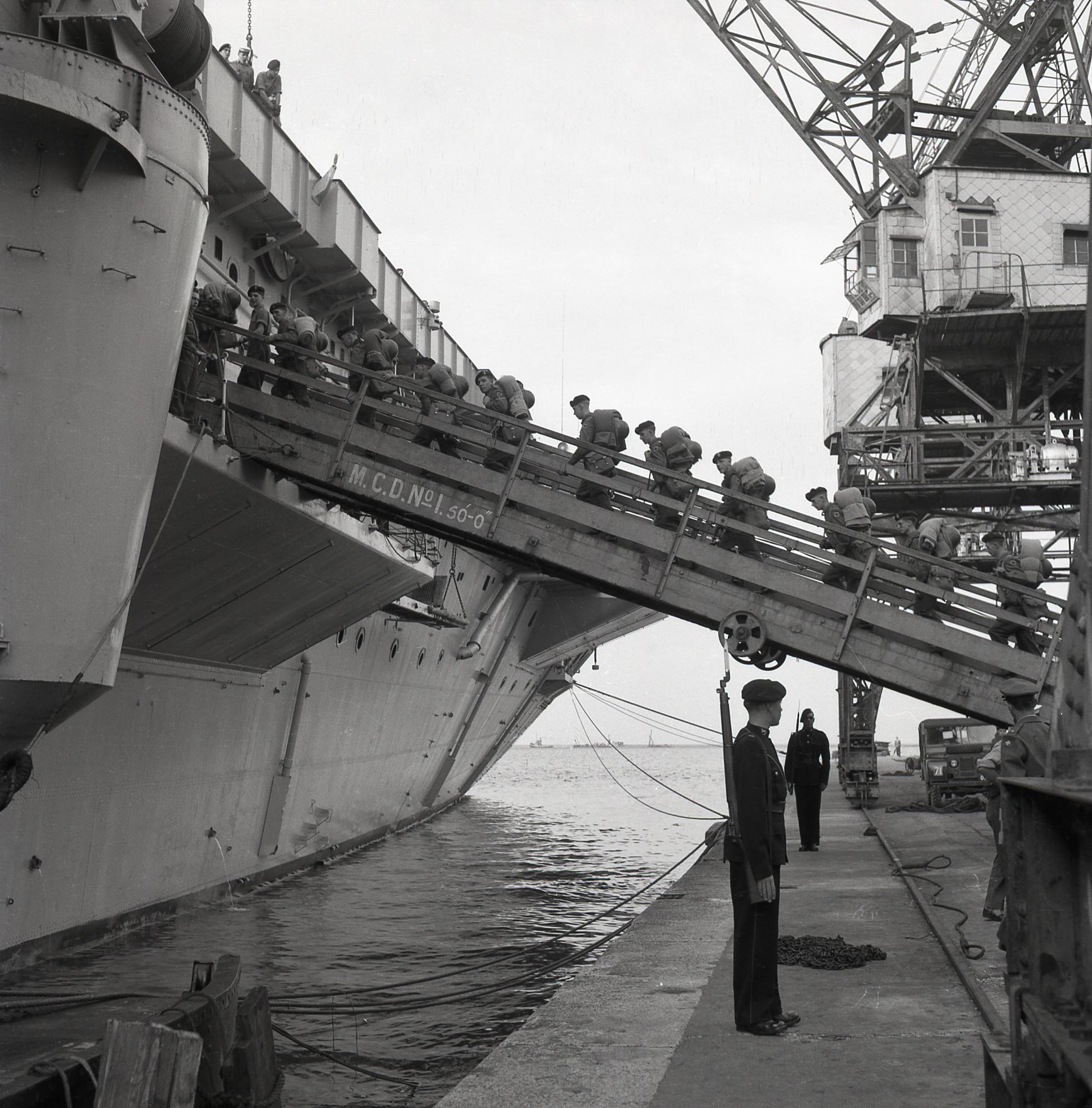
Memorandum of Understanding of London
On 5 October 1954, the London Memorandum was signed, the international agreement that provisionally resolved the delicate question of Trieste. Signed by Italy, Yugoslavia, the United Kingdom and the United States, the document formalized the de facto partition of the Free Territory of Trieste, which was officially dissolved. Zone A, including the city of Trieste and its port, came under Italian civil administration, while Zone B was definitively assigned to Yugoslavia. This historic compromise brought to an end nearly a decade of severe geopolitical and diplomatic tensions in the heart of Europe, stabilizing the southern frontier of the Iron Curtain and marking the return of the Julian city to Italy.
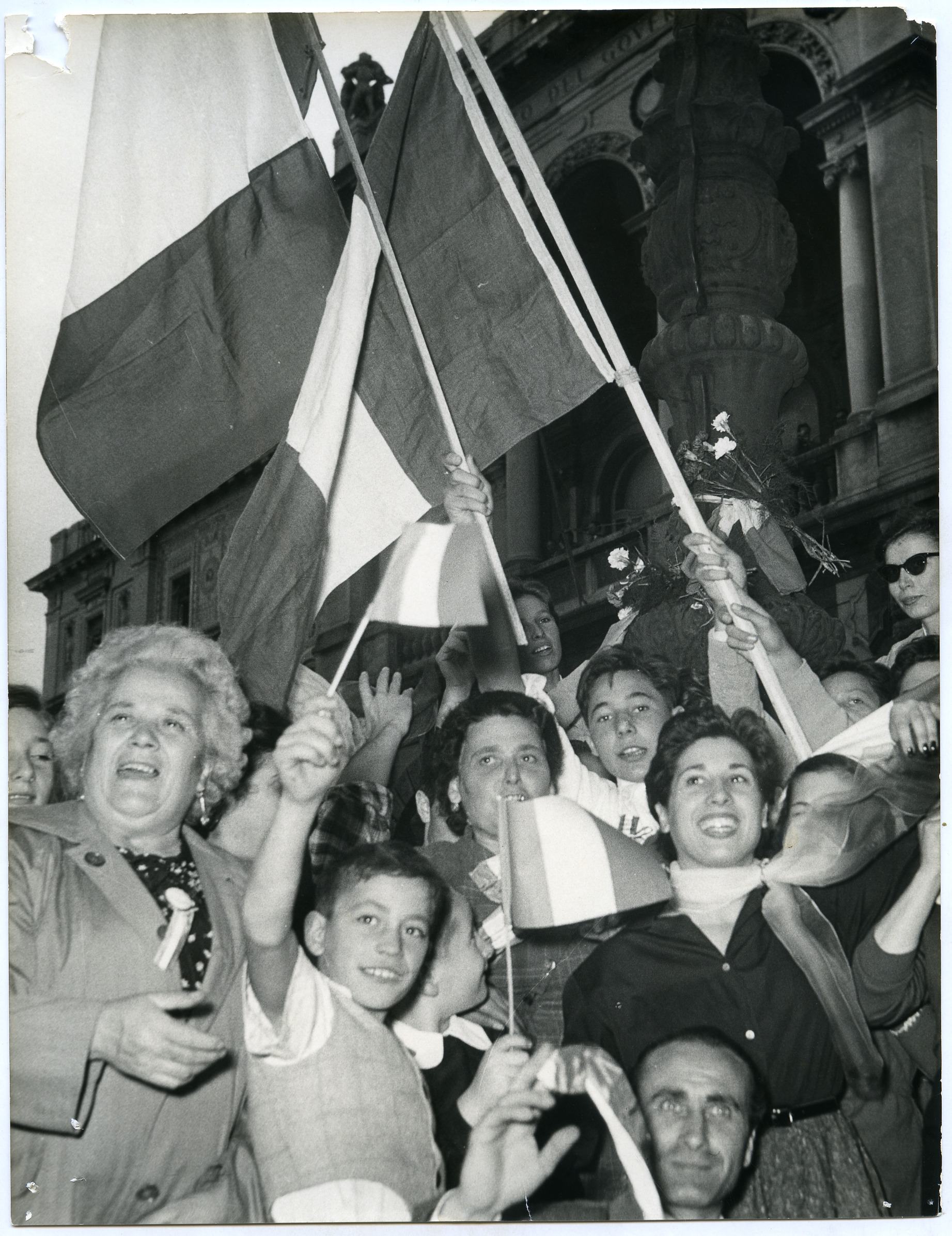
Trieste Returns to Italian Administration
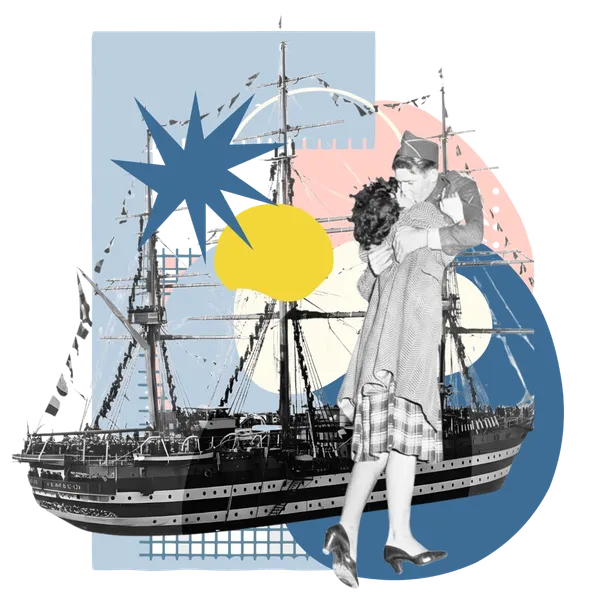
On 26 October 1954, one of the most significant days in the history of the Julian region took place: the return of Trieste to Italy. In accordance with the London Memorandum, signed just a few weeks earlier, Anglo-American troops left the city after nine years of military administration. Italian soldiers officially entered Trieste amid jubilant crowds waving the Italian tricolour. This event, which brought the Allied administration of Zone A to an end, represented the symbolic completion of Italy’s post-war recovery and stabilized the political status of a territory that had been the first and most volatile outpost of the Iron Curtain.
1955-'75
1955-'75
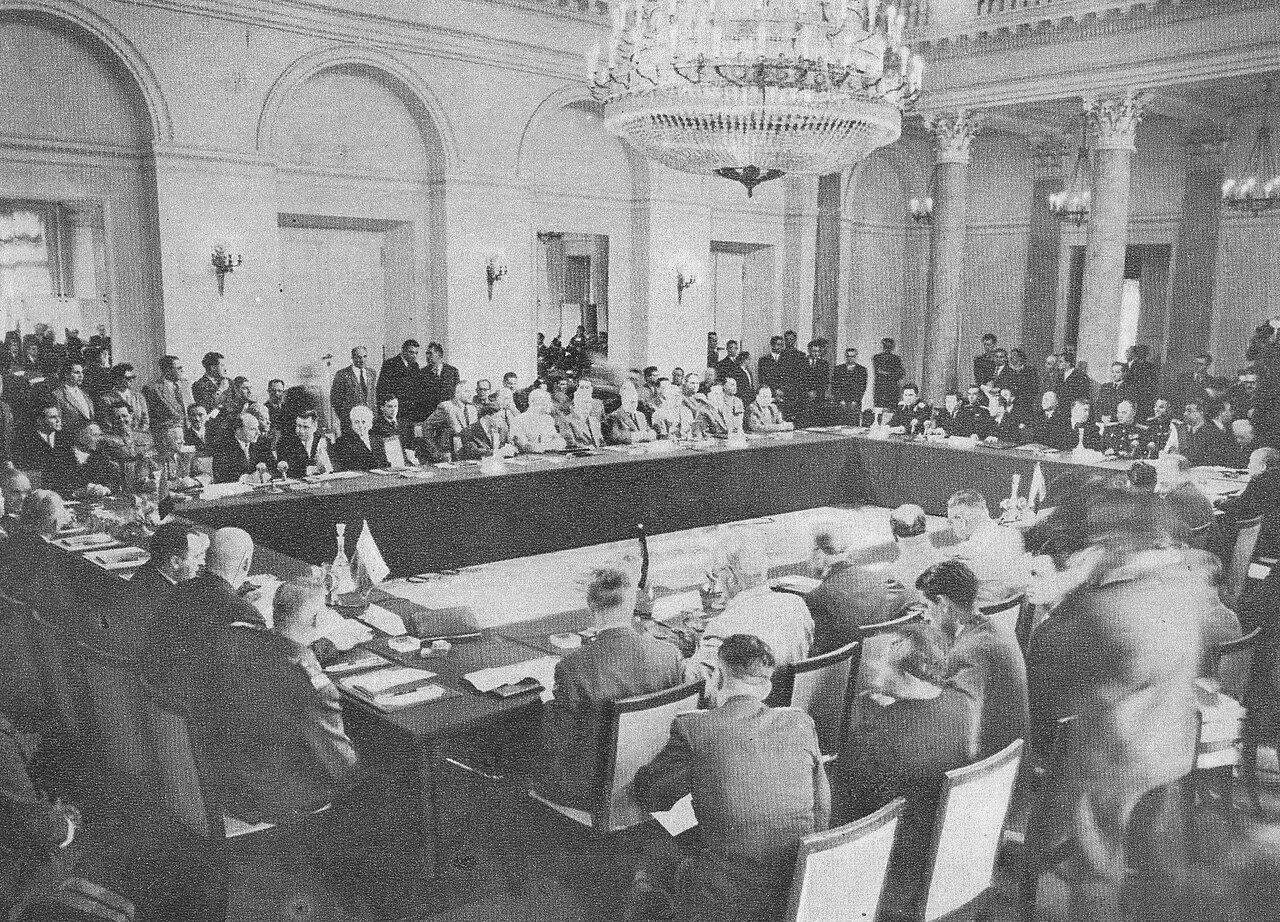
The Warsaw Pact
On 14 May 1955, the Warsaw Pact was signed, creating a defensive military alliance between the Soviet Union and its satellite states in Eastern Europe, including Poland, East Germany, Czechoslovakia and Hungary. Established as a direct response to West Germany’s accession to NATO, the treaty formalized the bipolar division of the Cold War and was based on the principle of mutual assistance in the event of an attack. This agreement provided the Soviet bloc with a unified military structure, institutionalizing the balance of terror and the rigid division of Europe into two opposing camps until the alliance’s dissolution in 1991.
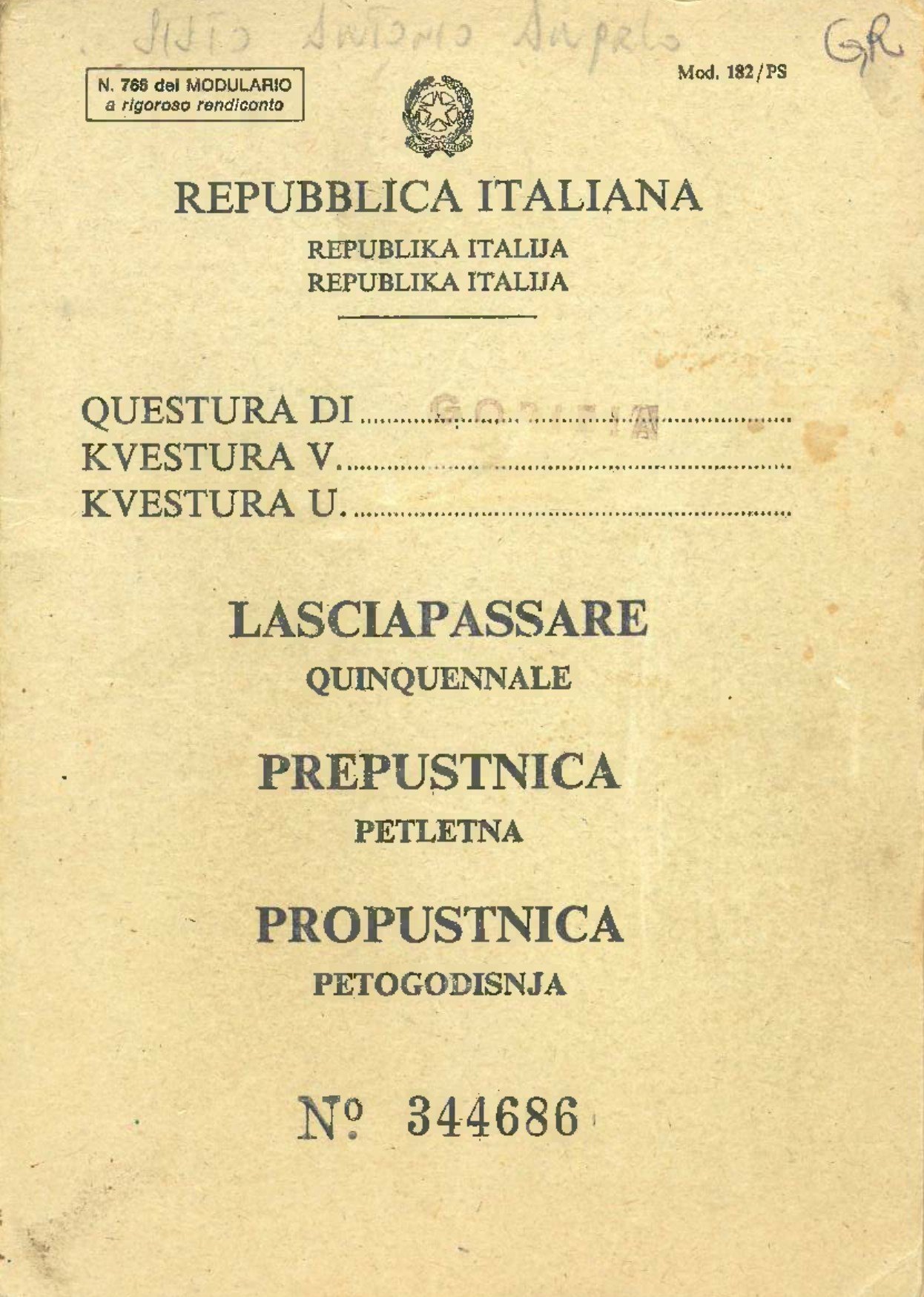
The Udine Agreements
On 30 August 1955, the Udine Agreements were signed between Italy and Yugoslavia, marking a key step towards the normalization of relations after the tensions of the post-war period. The treaty regulated the local movement of people and goods across the border and introduced a special border pass for residents of the frontier area. This measure represented a historic first opening in the Iron Curtain along Italy’s eastern border: although the frontier remained heavily militarized, it became less impermeable, allowing the gradual resumption of economic, social and family ties between communities that had been divided by the new political boundary.
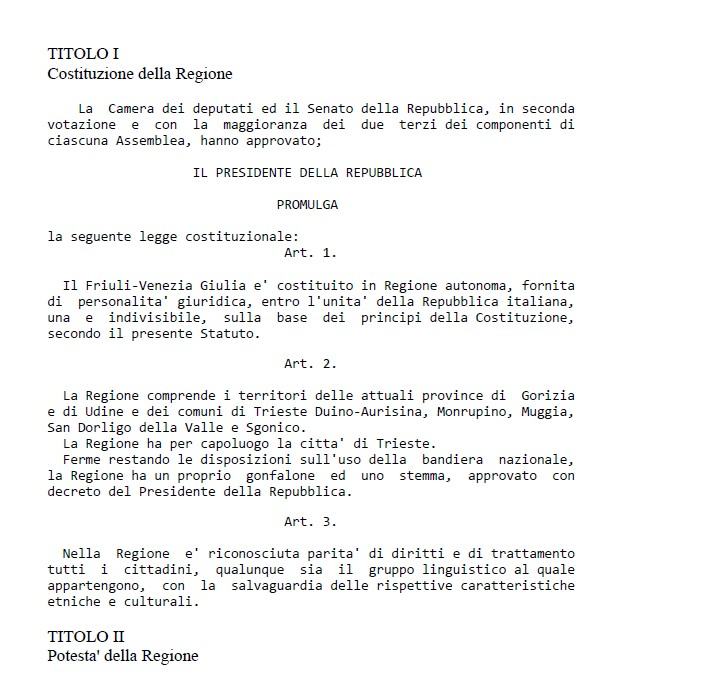
Friuli Venezia Giulia: An Autonomous Region with Special Statute
On 31 January 1963, the Special Statute officially established the Autonomous Region of Friuli Venezia Giulia. This legislative decision, reached after years of complex political and institutional debate in the post-war period, responded to the need to protect the cultural and historical identity of a region profoundly shaped by shifting borders. The creation of the region was strongly influenced by the geopolitical dynamics of the Cold War: the Italian government sought to strengthen and stabilize, from an administrative, economic and social perspective, a strategic frontier region bordering Tito’s socialist Yugoslavia.
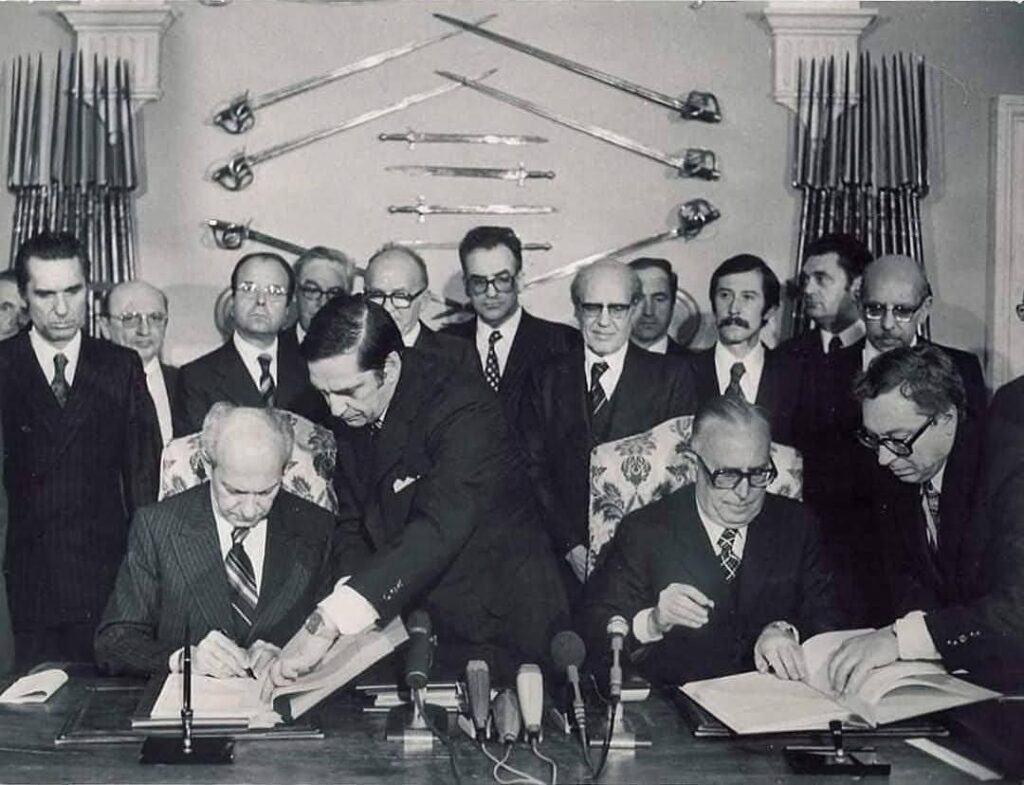
The Treaty of Osimo
On 10 November 1975, the Treaty of Osimo was signed, the bilateral agreement that definitively settled the border dispute between Italy and Yugoslavia. The treaty transformed the provisional demarcation line established in 1954 into an official and permanent international border, confirming Italian sovereignty over Zone A and Yugoslav sovereignty over Zone B. Despite the formal recognition of the frontier and the easing of diplomatic tensions, Friuli Venezia Giulia did not lose its strategic importance. The Italian Army’s system of permanent fortifications remained fully operational and continuously manned to ensure national security until the end of the Cold War.
1980-'91
1980-'91
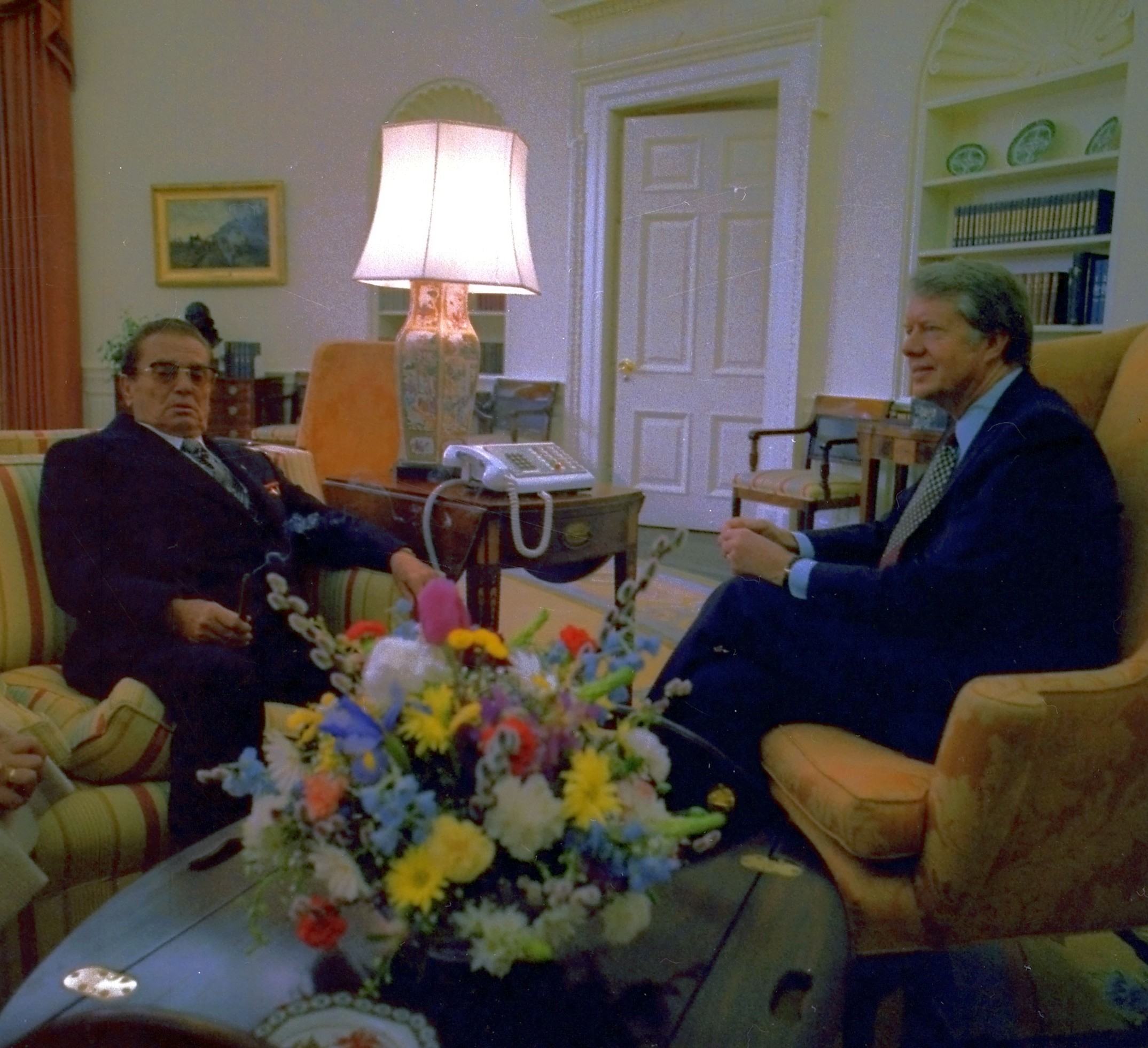
The Death of Tito
On 4 May 1980, Josip Broz Tito, who had led socialist Yugoslavia since the end of the Second World War, died. His death deprived the country of its principal source of cohesion, triggering a profound and irreversible internal crisis. In the absence of his centralizing authority, long-suppressed nationalist tensions resurfaced, fuelled by a severe economic crisis and the gradual collapse of the federal institutions. This progressive political and social deterioration, accelerated by the changing international context following the fall of the Berlin Wall, led in the early 1990s to the violent dissolution of Yugoslavia and the emergence of several new independent states.
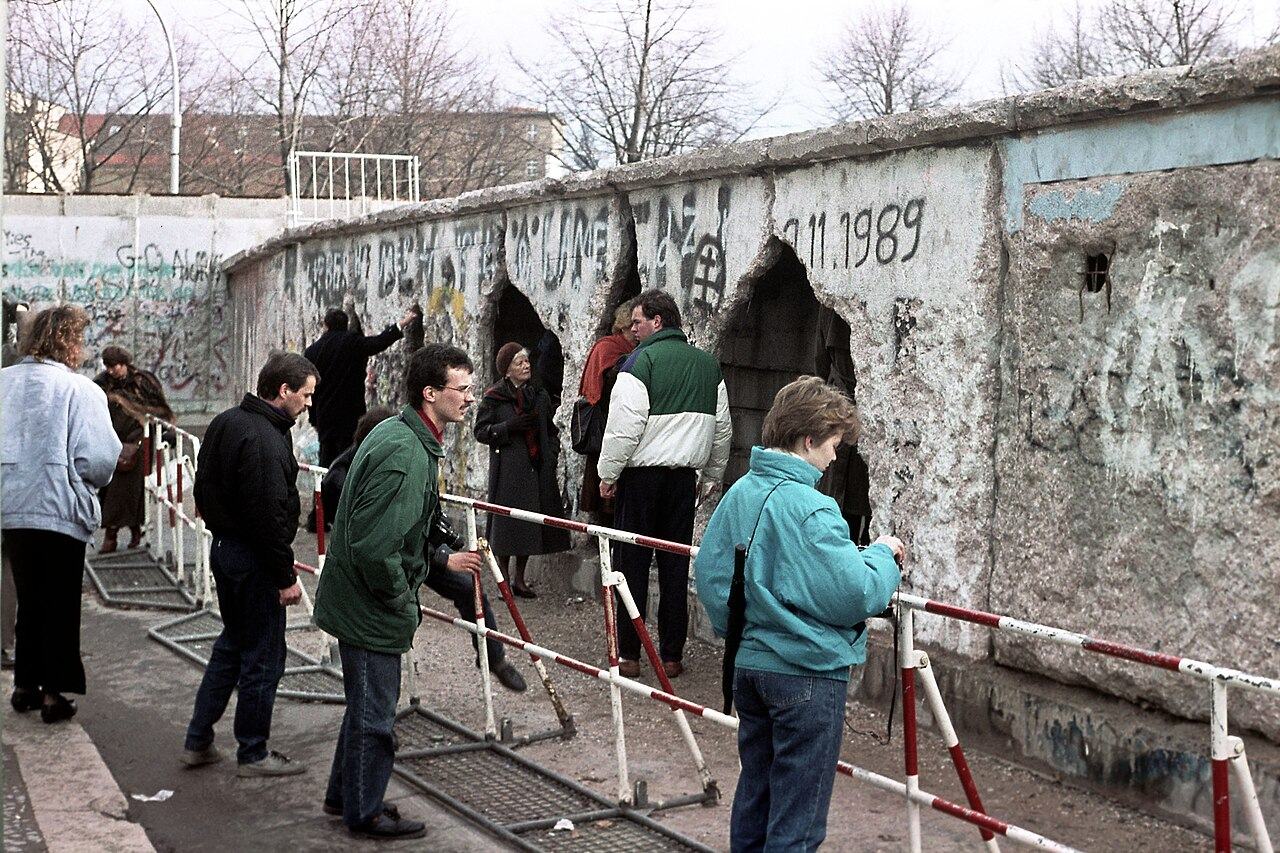
The Fall of the Berlin Wall
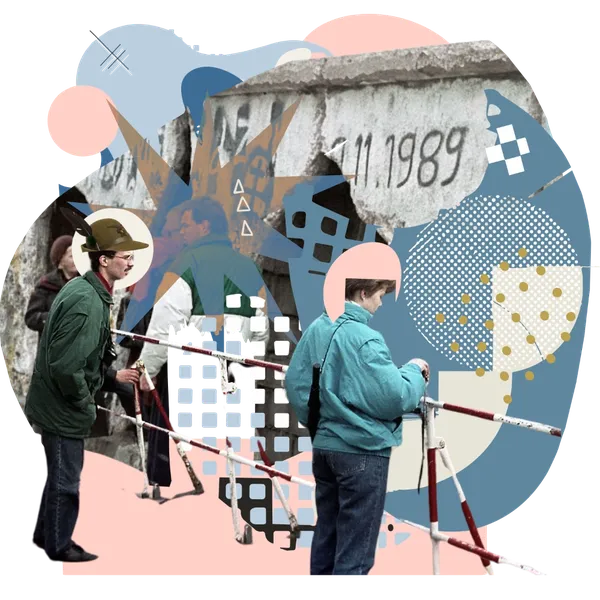
On 9 November 1989, the fall of the Berlin Wall marked the symbolic and physical collapse of the opposing blocs. The opening of the border between East and West Germany triggered the rapid dismantling of the Iron Curtain, which had divided Europe for more than forty years. This historic event also had immediate consequences for Italy’s north-eastern border: with the disappearance of the Soviet threat, the entire defensive doctrine was fundamentally transformed.
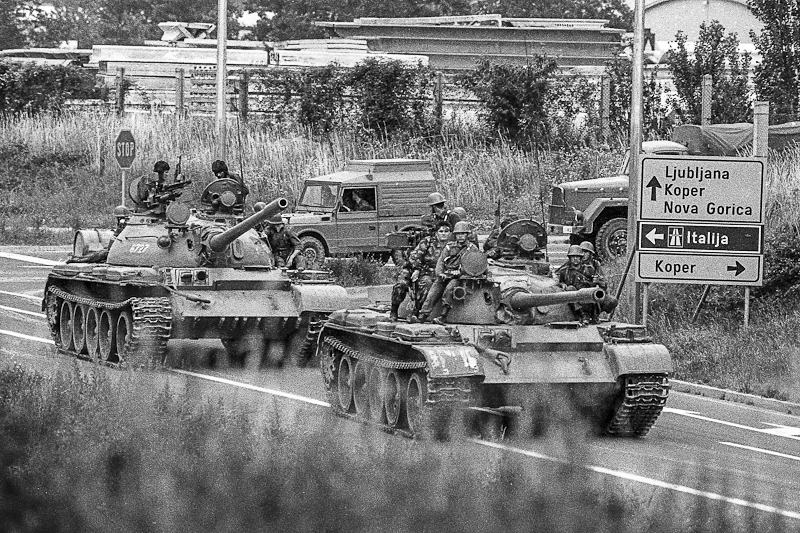
Slovenian Independence
On 25 June 1991, Slovenia officially declared its independence from the Yugoslav Federation. This marked the beginning of the dissolution of the unified state and the outbreak of the war between the Slovenian Territorial Defence and the Yugoslav People's Army. The conflict ended swiftly with the signing of the Brioni Agreement on 7 July 1991, mediated by the European Community. Under the agreement, Slovenia accepted a three-month suspension of the effects of its declaration of independence, while the Yugoslav People's Army agreed to cease hostilities and gradually withdraw all its troops from Slovenian territory. The withdrawal of Yugoslav forces was completed in October 1991. At the end of the three-month moratorium, Slovenia reaffirmed its full sovereignty and received recognition of its independence from the first European countries in early 1992.
The Dissolution of the Soviet Union
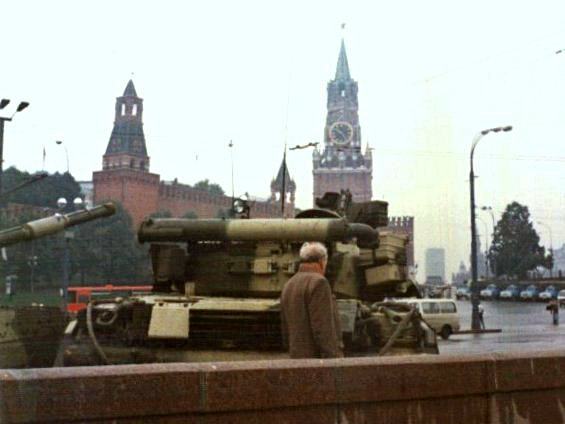
Between 25 and 26 December 1991, the final act in the dissolution of the Soviet Union took place. On 25 December, Mikhail Gorbachev resigned as President of the USSR, and the lowering of the Soviet flag over the Kremlin, replaced by the Russian tricolour, symbolized the end of the geopolitical power that had existed since 1922. The following day, the Supreme Soviet formally ratified the dissolution of the Union. This historic event brought the Cold War and the era of global bipolarity to a definitive close, reshaping the strategic order of international borders and completing Friuli Venezia Giulia’s transformation from a crucial forward defensive outpost into an open gateway towards Eastern Europe.
1992-2004
1992-2004
Demilitarization of the Eastern Border
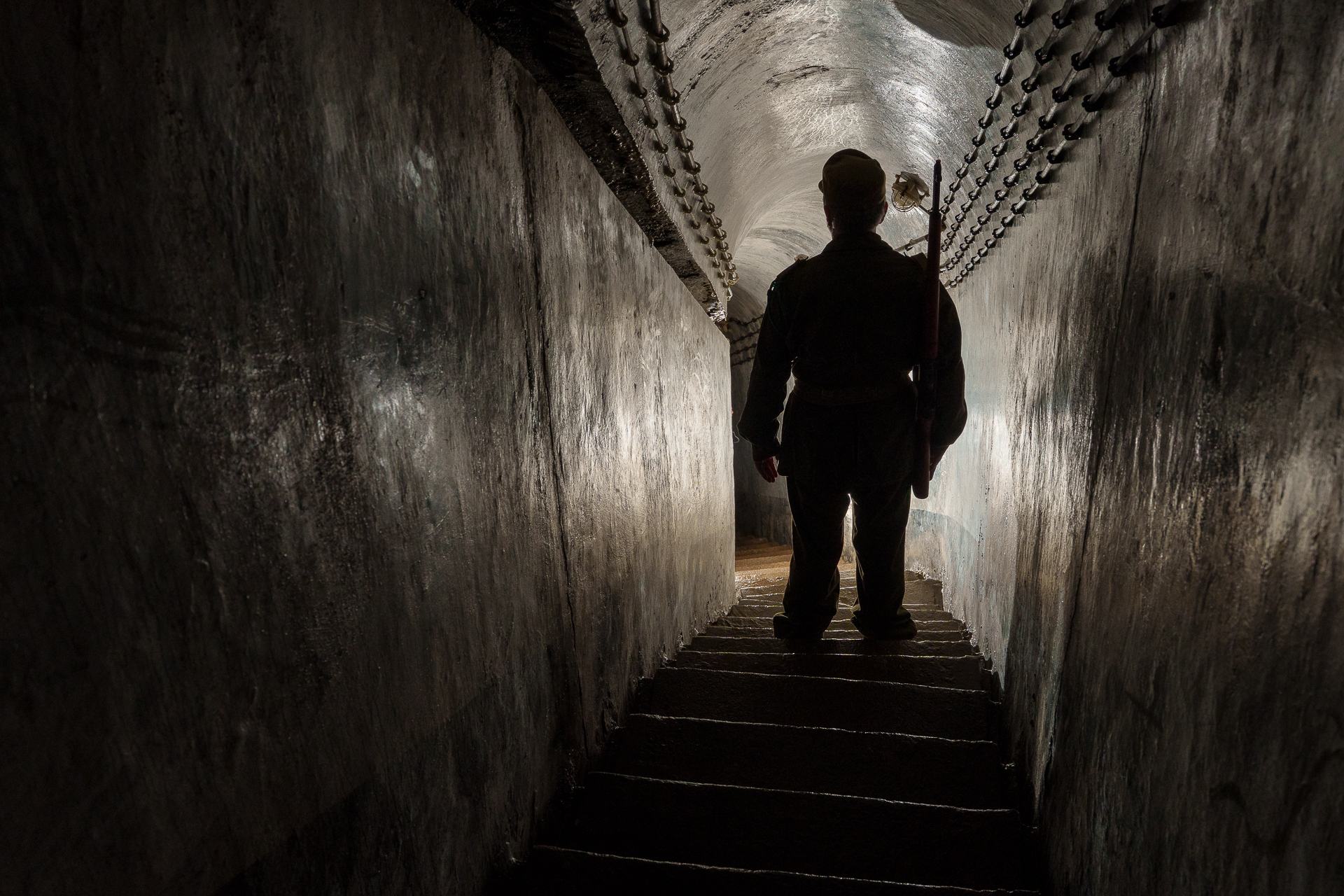
As early as 1986, some fortifications located in less strategically significant positions were decommissioned. However, it was between 1991 and 1993 that the Army General Staff ordered the complete dismantling of the fortified defence system and the disbandment of the arrest units responsible for manning it. The disappearance of the threat posed by the Soviet bloc and the collapse of Yugoslavia had suddenly rendered obsolete the structures that had protected the border for four decades. This historic transition also marked the beginning of a gradual and profound demilitarization of Friuli Venezia Giulia.
Slovenia Joins the European Union
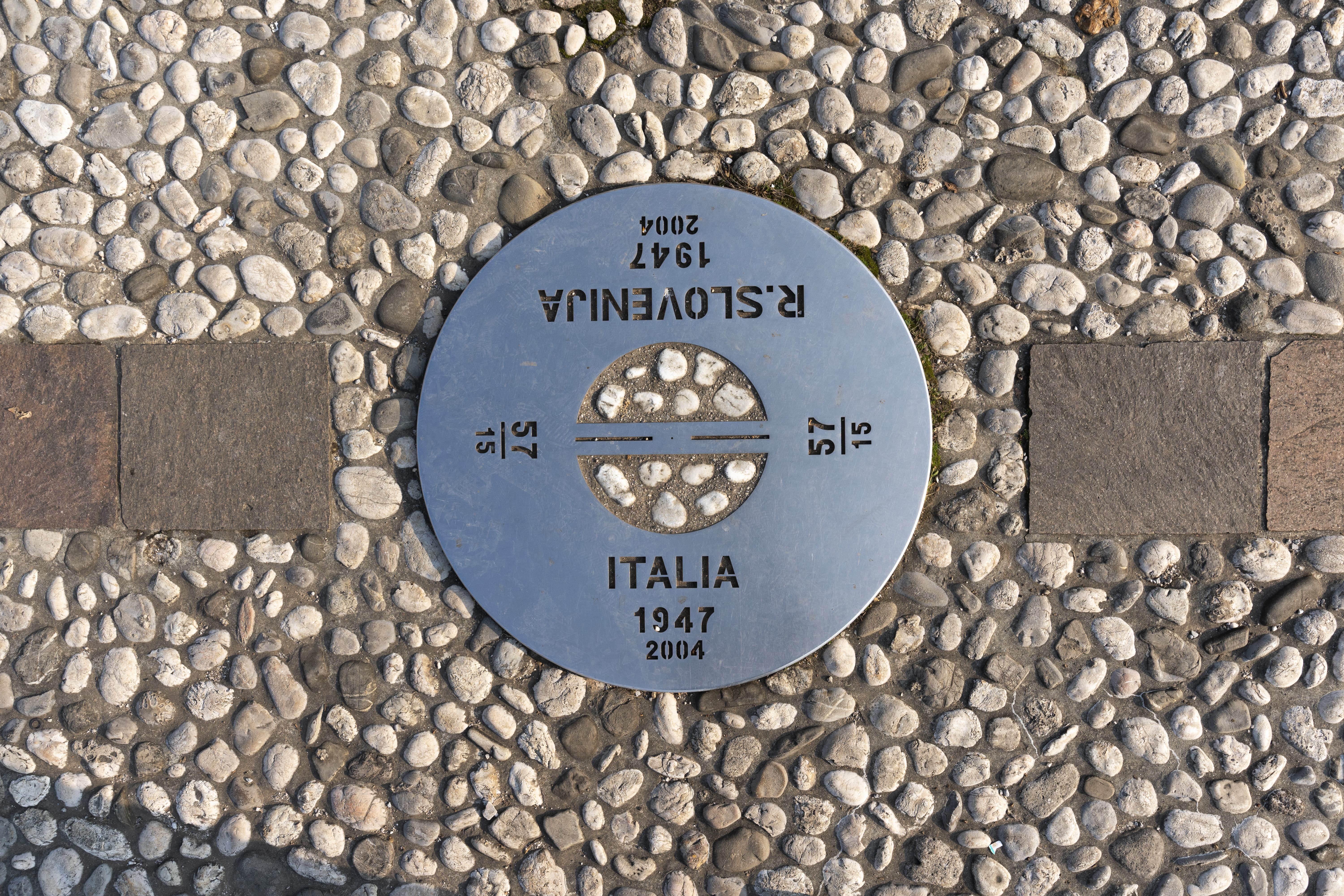
On 1 May 2004, Slovenia officially joined the European Union. To celebrate this historic milestone, the cities of Gorizia and Nova Gorica organized a major symbolic event in Transalpina Square, a place that had been divided by the border established in 1947. In front of thousands of spectators and Europe’s highest authorities, the fence that had physically separated the two communities was removed. The event marked the definitive end of one of the last physical barriers of the former Iron Curtain, transforming a once heavily militarized border into a symbol of integration, peace and cross-border cooperation at the heart of a united Europe.