The Second World War
1939 – 1945
1939-'40
1939-'40
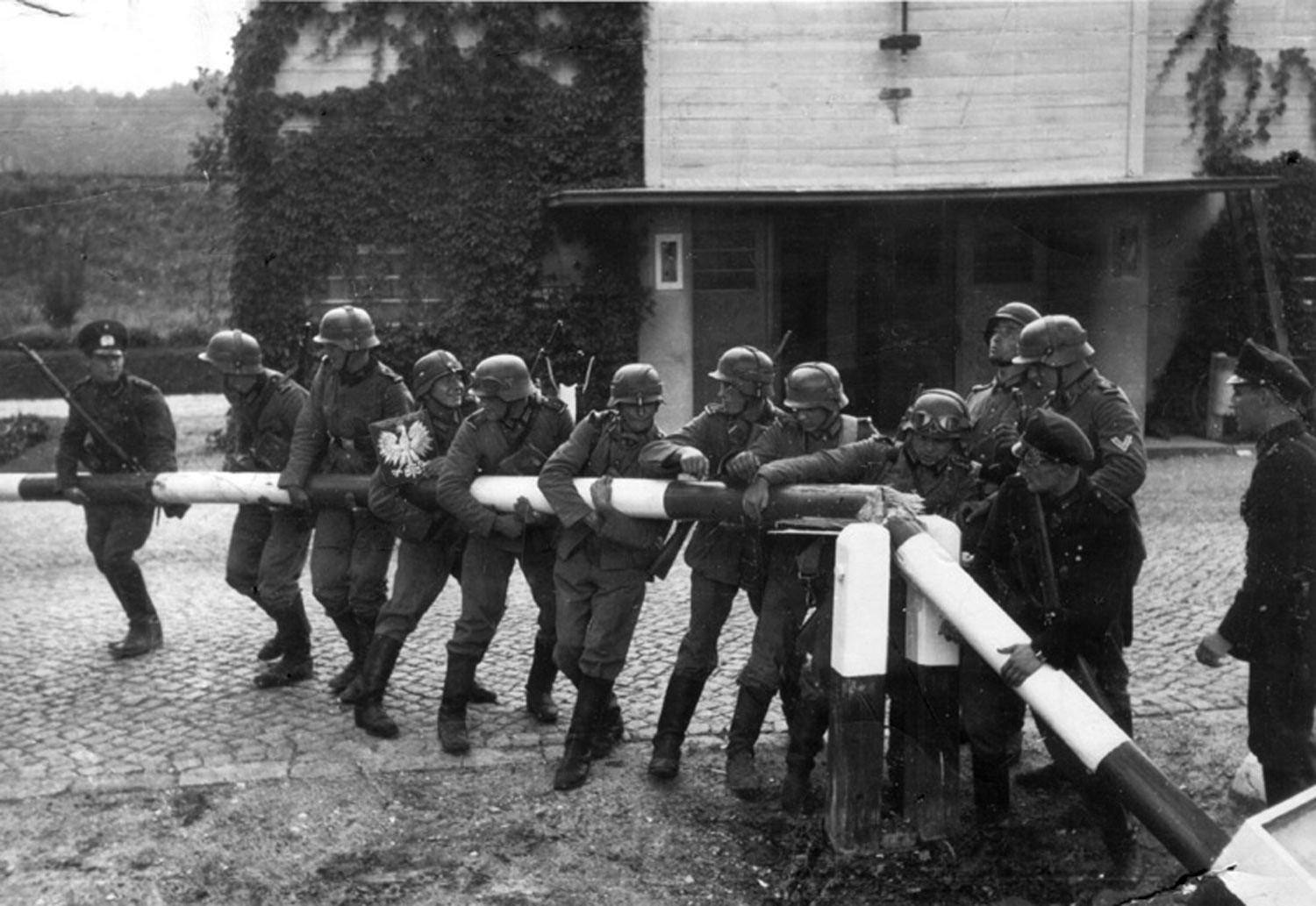
The Invasion of Poland
On 1 September 1939, Nazi Germany invaded Poland, marking the beginning of the Second World War in Europe. On 3 September, France and the United Kingdom declared war on Germany. On 17 September, in accordance with the secret protocols of the Molotov-Ribbentrop Pact, the armed forces of the Soviet Union also invaded Poland, which capitulated in early October. Despite Fascist Italy’s initial stance of “non-belligerence”, the outbreak of hostilities immediately sparked widespread concern along the country’s north-eastern border. Friuli and Venezia Giulia quickly felt the strategic importance of their geographical position, serving as a vital link with Central Europe and the Balkans.
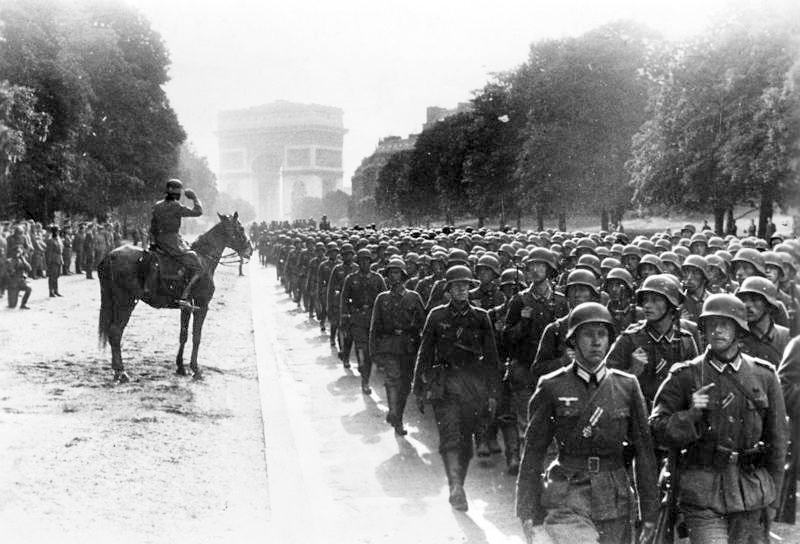
The Nazi Invasion of France
After conquering Poland together with its Soviet ally, the German armies attacked Denmark and Norway, which were strategically important for controlling the transport of iron ore from Sweden. Hitler then decided to advance directly into France, violating the neutrality of Belgium, the Netherlands and Luxembourg and thus bypassing the French defensive fortifications known as the “Maginot Line”. The French campaign turned into a lightning war (Blitzkrieg), leading Nazi forces to enter Paris on 14 June and the French government to sign an armistice on 22 June.
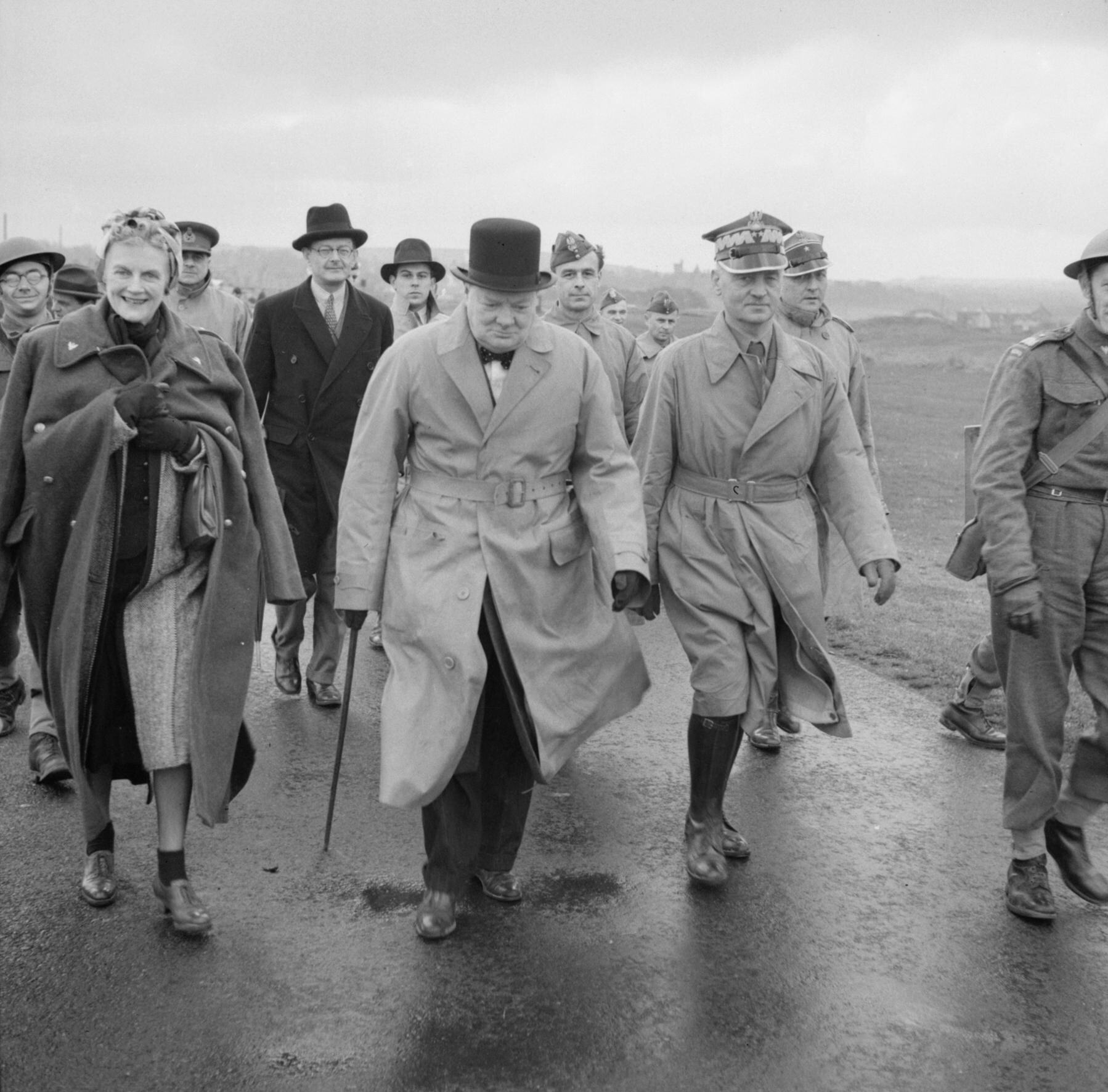
Churchill’s Speech to the House of Commons
With France on the verge of succumbing to Nazi military superiority, the last major European country still facing Germany was Great Britain. On 3 June 1940, British Prime Minister Winston Churchill delivered a speech to the House of Commons in which he declared that Great Britain would never surrender and would fight until victory was achieved. Hitler and his commanders then decided to launch a massive bombing campaign against the British Isles, aiming to destroy the Royal Air Force, cripple industrial centres and undermine civilian morale. Once air superiority had been secured, the Germans planned to invade the island. However, Britain held out, and by the end of September the Battle of Britain had been won by the Royal Air Force.
Italy Enters the War
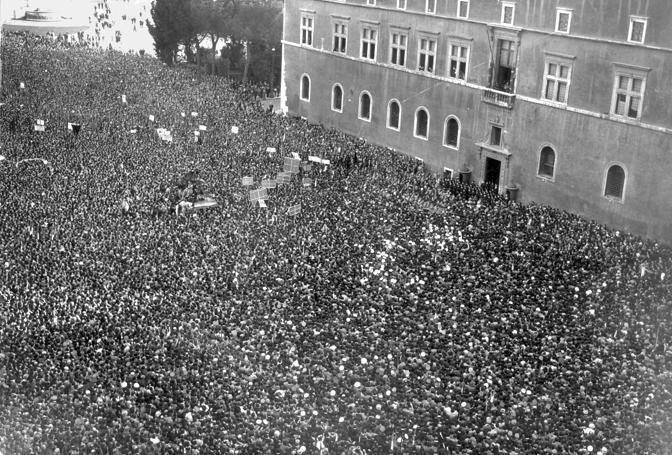
On 10 June 1940, Italy abandoned its policy of “non-belligerence” and officially entered the Second World War alongside Germany. For Friuli and Venezia Giulia, the country's entry into the conflict led to the rapid militarisation of the region and the departure from local barracks of thousands of young men called up for military service.
1941
1941
Axis Invasion of Yugoslavia
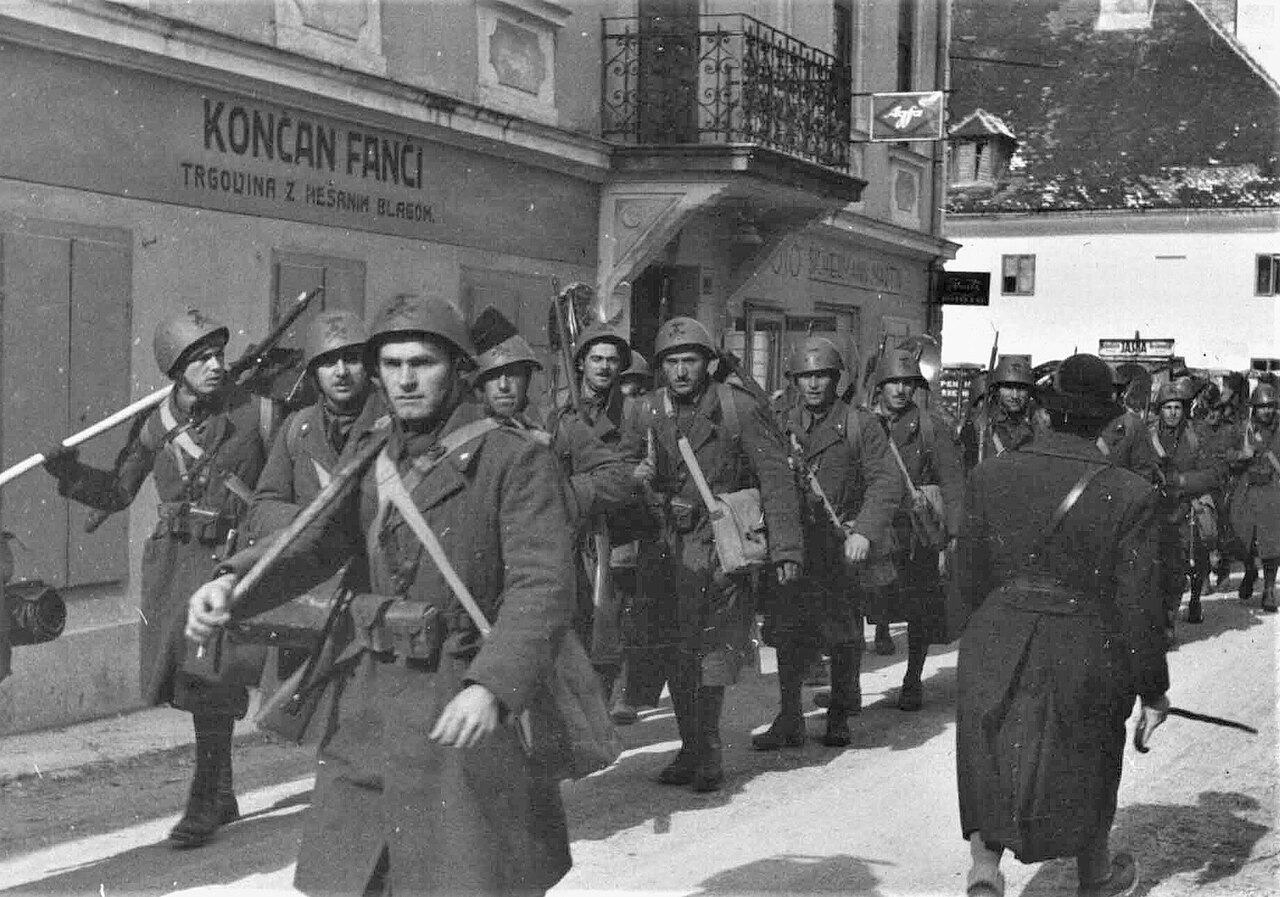
In April 1941, the Axis powers invaded the Kingdom of Yugoslavia. The country quickly capitulated, and its territory was divided between Nazi Germany and its allies. Fascist Italy annexed part of Slovenia, establishing the Province of Ljubljana. The territory was subjected to a systematic policy of repression against the Slovene population. This policy deepened existing divisions within society, throwing the country into chaos and leading to the emergence of the first resistance activities and the first partisan guerrilla groups, determined to oppose the Italian military occupation. In the lower Friuli area, the Gonars and Visco concentration camps were established to imprison thousands of Slovenian and Croatian civilians regarded as enemies or suspected of supporting the emerging partisan movement.
The Russian Campaign
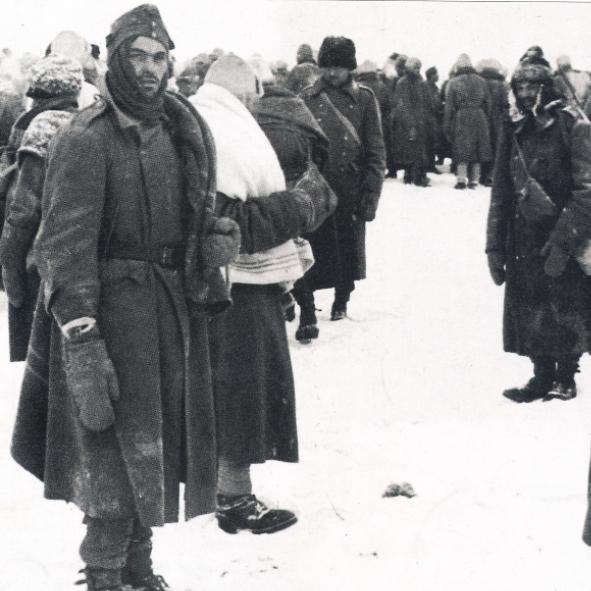
Beginning in June 1941, Italy took part in the invasion of the Soviet Union, first by sending the Italian Expeditionary Corps in Russia (CSIR) and later the Italian Army in Russia (ARMIR). This distant front became tragically and inseparably linked to the history of Friuli: thousands of soldiers departed from the region’s railway stations and barracks, including the very young Alpini of the “Julia” Division.
Pearl Harbor and the Entry of the United States into the War
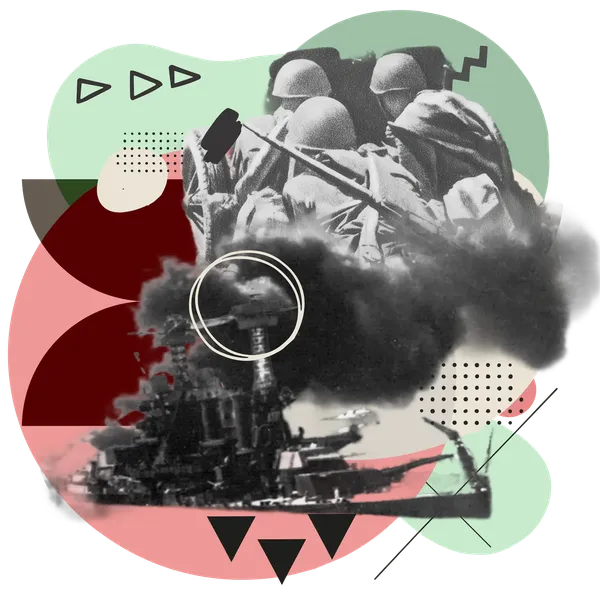
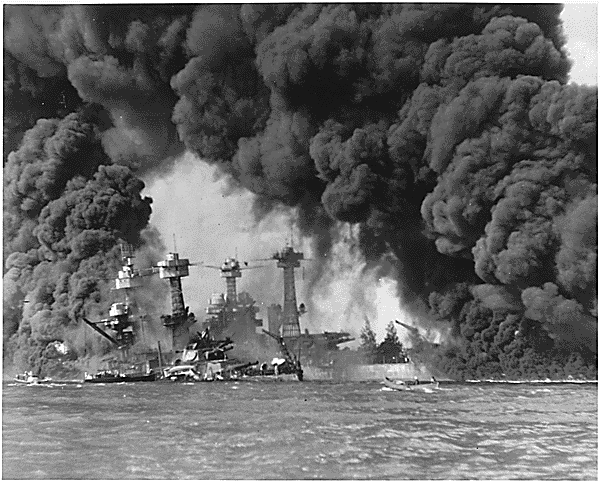
The war was being fought on several fronts, including in Asia. There, Japanese imperial ambitions in the Pacific and the Far East eventually clashed with the growing presence of the United States. In a surprise attack on the American naval base at Pearl Harbor in the Hawaiian Islands, Japanese aircraft destroyed a large part of the United States Navy's fleet. This event marked the entry of the United States into the war alongside Great Britain and the Soviet Union.
1942
1942
The Battle of El Alamein
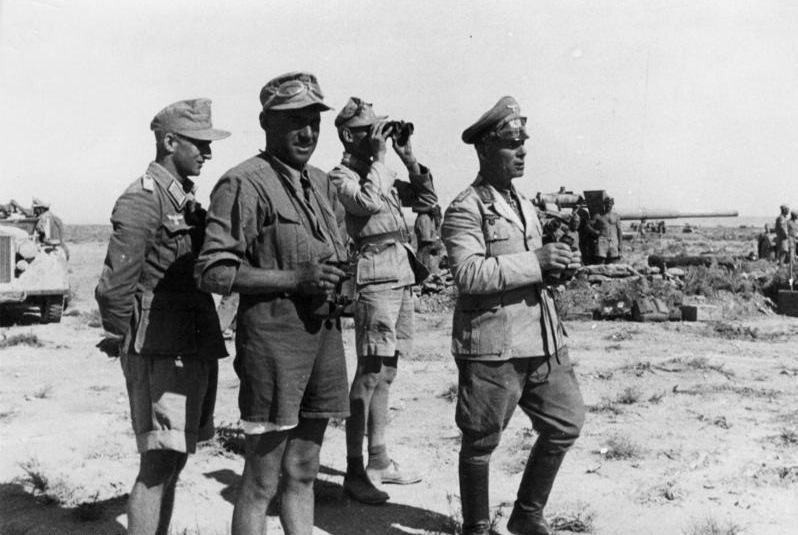
In the summer of 1942, the Italian and German forces deployed on the North African front managed to advance deep into British-controlled Egypt. In the autumn of the same year, however, British forces launched a counter-offensive that overwhelmed the Nazi-Fascist troops, forcing them to retreat to Tunisia, where they eventually surrendered in May 1943. Italy’s role in the North African campaign is often associated with the stubborn resistance mounted to contain the British advance during the Battle of El Alamein, which was nevertheless won by the Allied armies.
The Alpine Wall of the Littorio
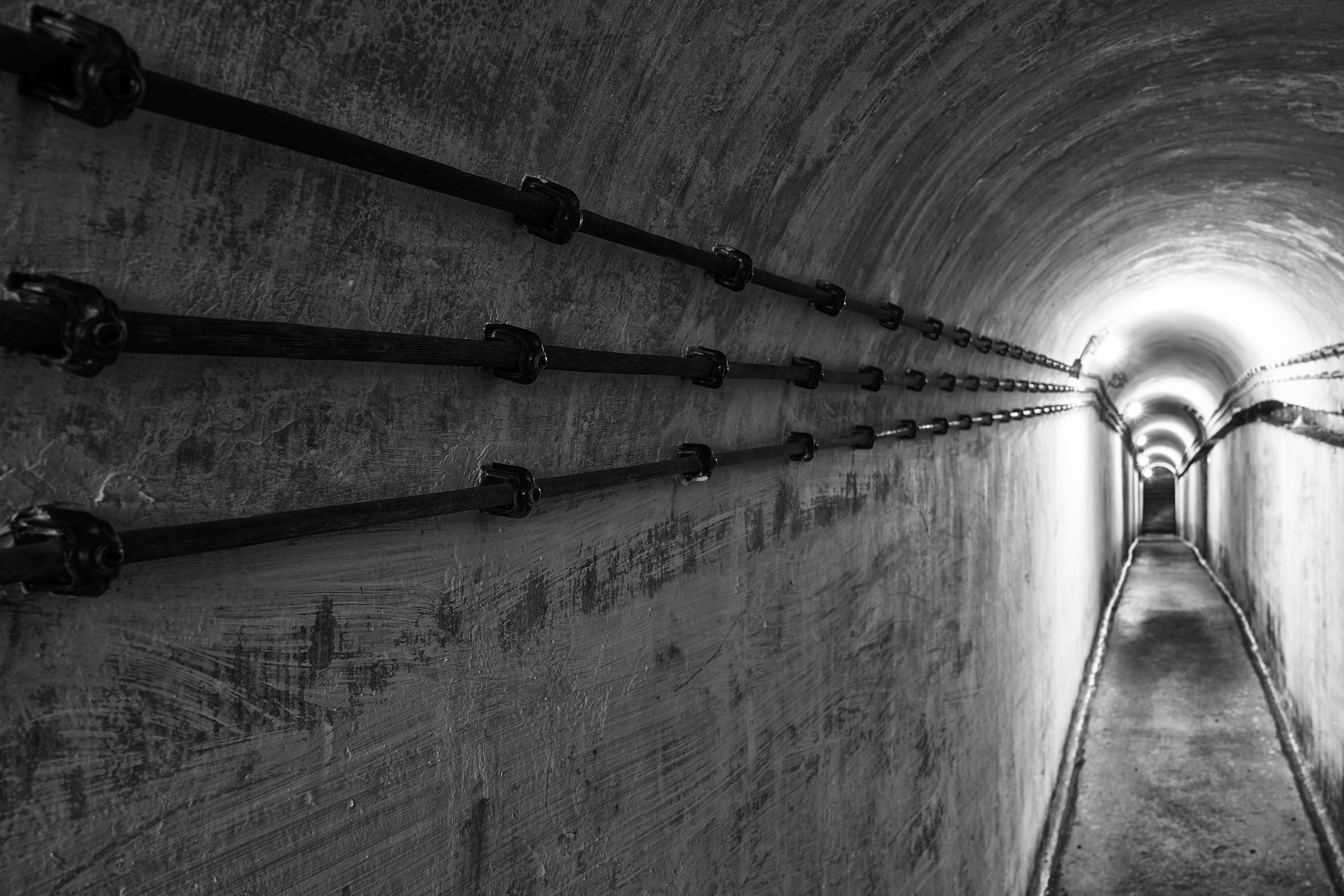
In October 1942, construction work on the Alpine Wall of the Littorio was suspended. It was an extensive system of permanent fortifications built from the 1930s onwards along the entire Alpine arc at the initiative of the Fascist regime. In Carnia, the Ferro Canal and Valcanale, nearly four hundred bunkers were constructed starting in 1935.Paradoxically, this vast engineering and military undertaking was conceived along the north-eastern border partly to defend Italy against the potential expansionist ambitions of its German ally, especially after the annexation of Austria into the Third Reich. Although it remained partially unfinished and never formally entered service during the war, this network of reinforced-concrete fortifications profoundly shaped the mountainous landscape of Friuli and was later partially reactivated in the early 1950s to meet the requirements of the Cold War.
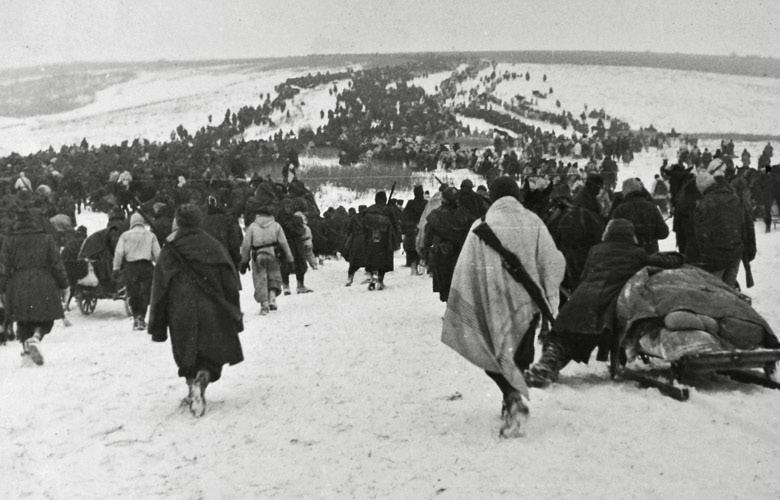
The Soviet Counter-Offensive and the Retreat from Russia
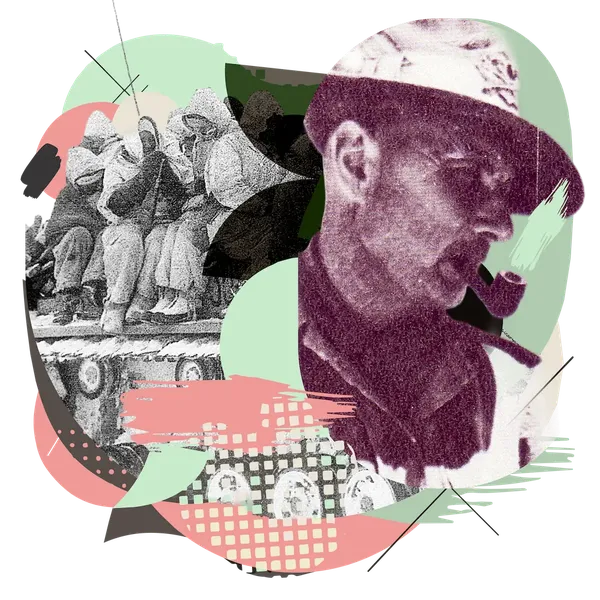
In the winter of 1942-1943, the Soviet counter-offensive overwhelmed the Italian lines along the Don River, forcing the units into a desperate retreat on foot through the freezing steppe. The toll was catastrophic: many soldiers from Friuli lost their lives in combat or died from exposure to the cold, while others disappeared into Soviet prisoner-of-war camps. In February 1943, the Red Army succeeded in breaking the German siege of Stalingrad, a city that, after the war, became a symbol of Soviet resistance during the Nazi invasion.
1943
1943
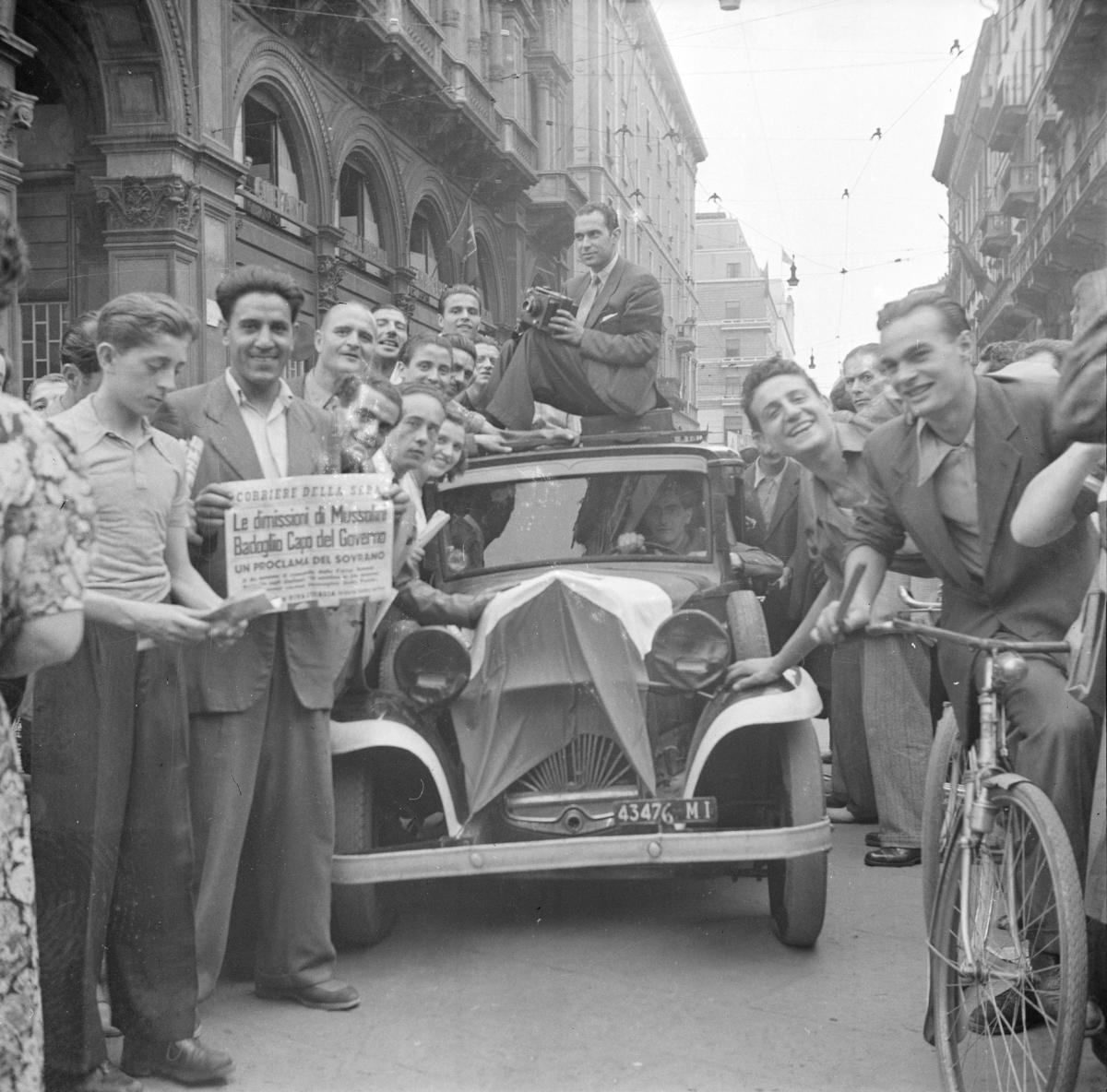
The Fall of Fascism: Mussolini’s Removal from Power
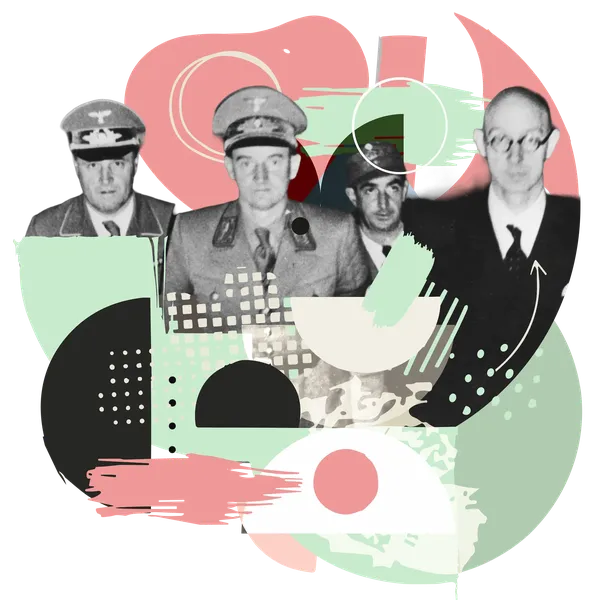
During the war, support for the Fascist regime steadily declined. As early as the beginning of 1943, the first signs of growing discontent among the Italian population began to emerge. Between 9 and 10 July, the Allies landed in Sicily, launching the Italian Campaign. On 25 July 1943, Mussolini was removed from power by his own associates and was immediately arrested, marking the collapse of the Fascist regime.
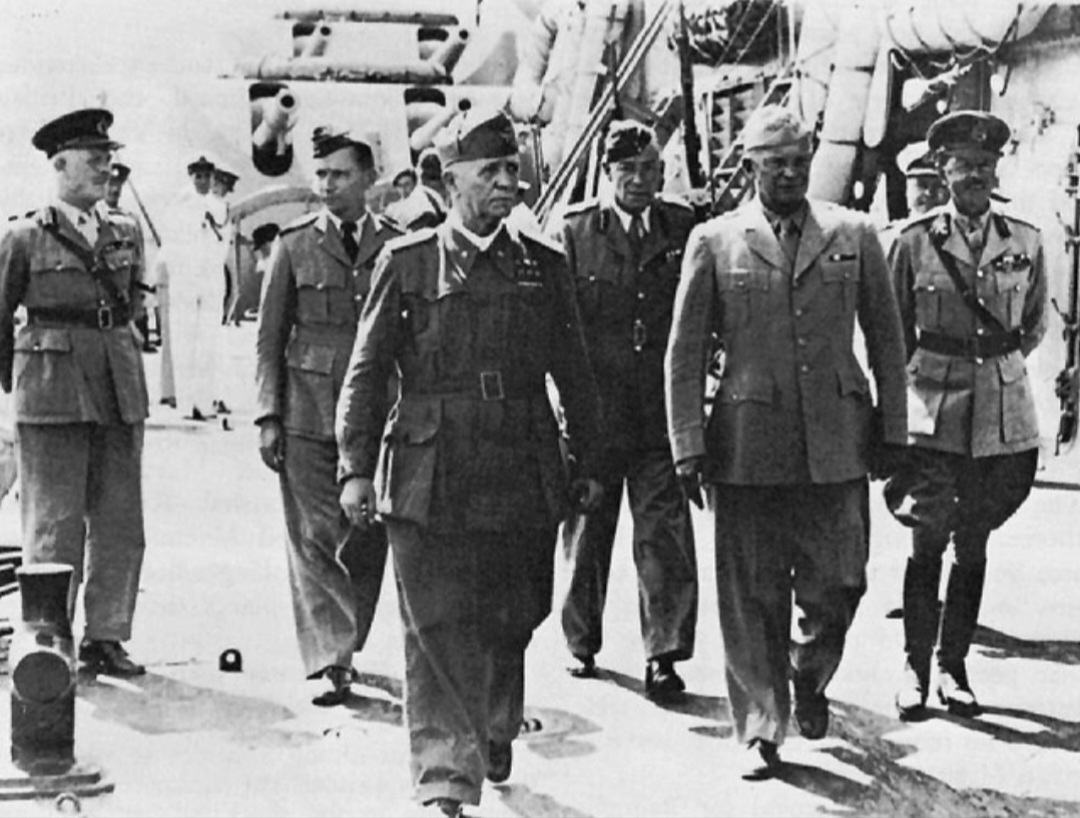
The Armistice and the First Foibe Massacres
After Mussolini's arrest, Marshal Pietro Badoglio was appointed head of government. Following negotiations with the Anglo-American Allies, an armistice was signed on 3 September. When it was announced on 8 September, the Italian army, left without orders, disintegrated. German forces, implementing plans that had long been prepared, occupied the cities, railways and Alpine passes of northern Italy. In this sudden power vacuum, the first dramatic episodes of foibe killings were carried out in the interior of Istria by Yugoslav partisan groups.
The Birth of the Italian Resistance
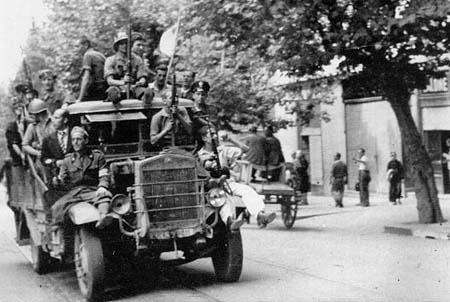
After the armistice, a resistance movement developed in central and northern Italy with the primary goal of liberating the country from German forces and the Fascist groups that were gradually reorganising. The Italian Resistance was a collective experience made up of different formations with diverse political orientations, which set aside their differences in order to defeat Nazism and Fascism. In Friuli and especially in Venezia Giulia, the political and ideological affiliations of the partisan groups became inextricably linked to the national questions affecting these territories, leading to acts of open violence within the resistance movement itself.
The Establishment of the Operational Zone of the Adriatic Littoral (OZAK)
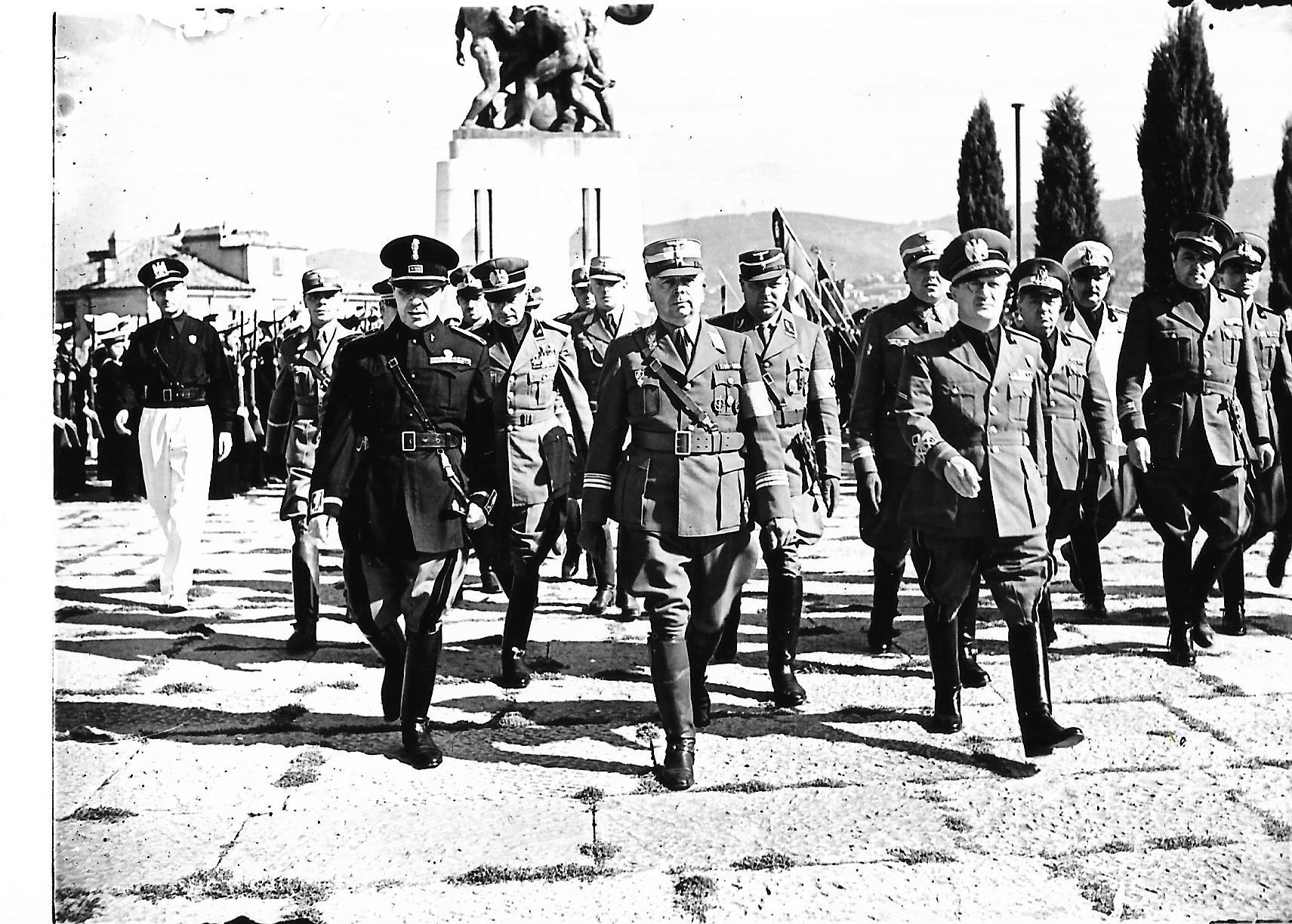
On 1 October 1943, Hitler ordered the creation of the Operational Zone of the Adriatic Littoral (Operationszone Adriatisches Küstenland – OZAK). This measure removed the entire territory of Friuli, Venezia Giulia and Istria from the control of Mussolini’s newly established Italian Social Republic and placed it under direct German control. The region was effectively annexed to the Third Reich and became subject to a ruthless system of economic exploitation and police repression.
The San Sabba Rice Mill
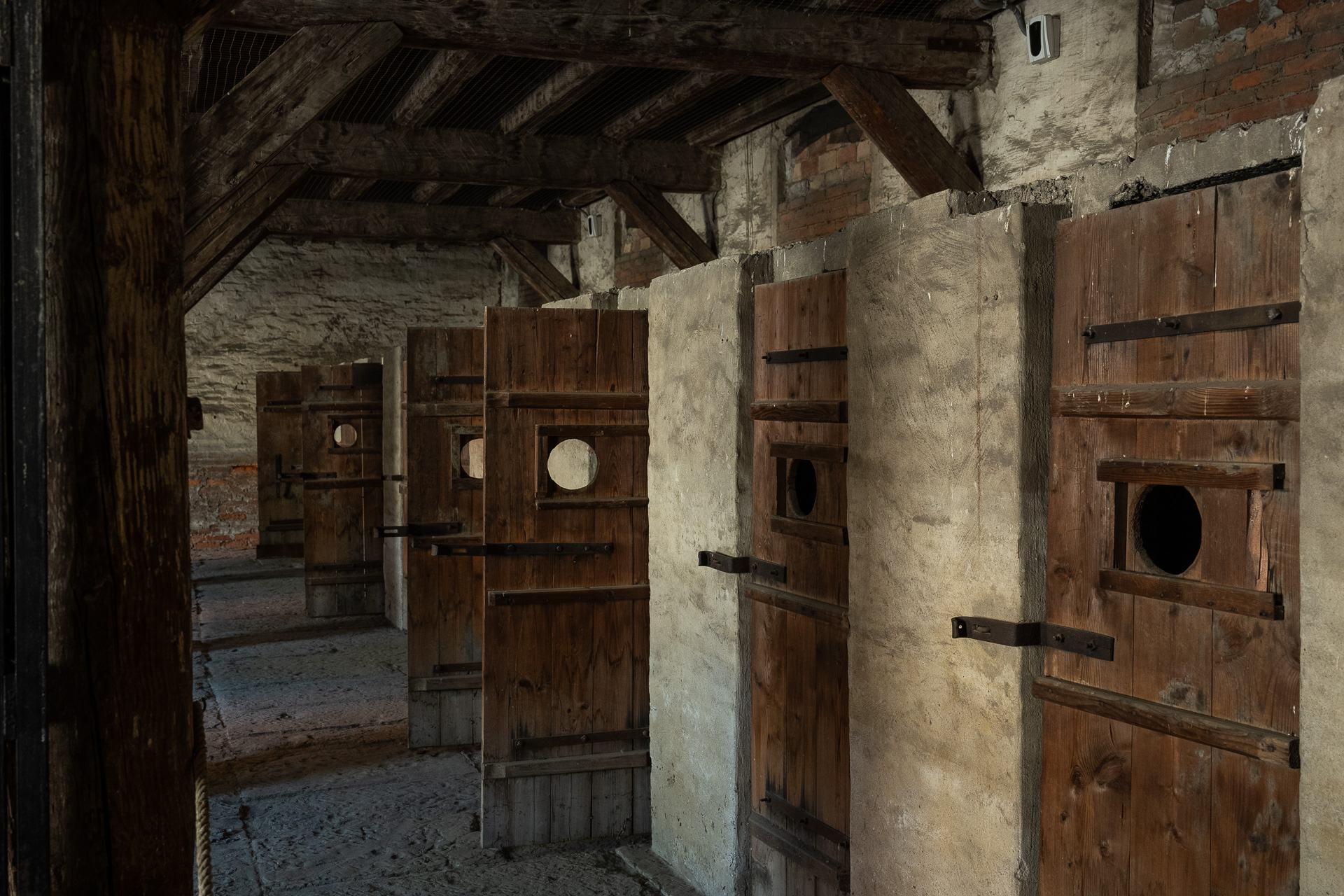
Under the direct control of the SS command in Trieste, the San Sabba Rice Mill, a former rice-husking plant, was converted in the autumn of 1943 into a police detention camp. The facility became the main transit centre for Jews and political opponents from north-eastern Italy who were deported to extermination and concentration camps in the Reich, including Auschwitz, Dachau and Mauthausen. The first train bound for Auschwitz left Trieste in the autumn of 1943.
1944
1944
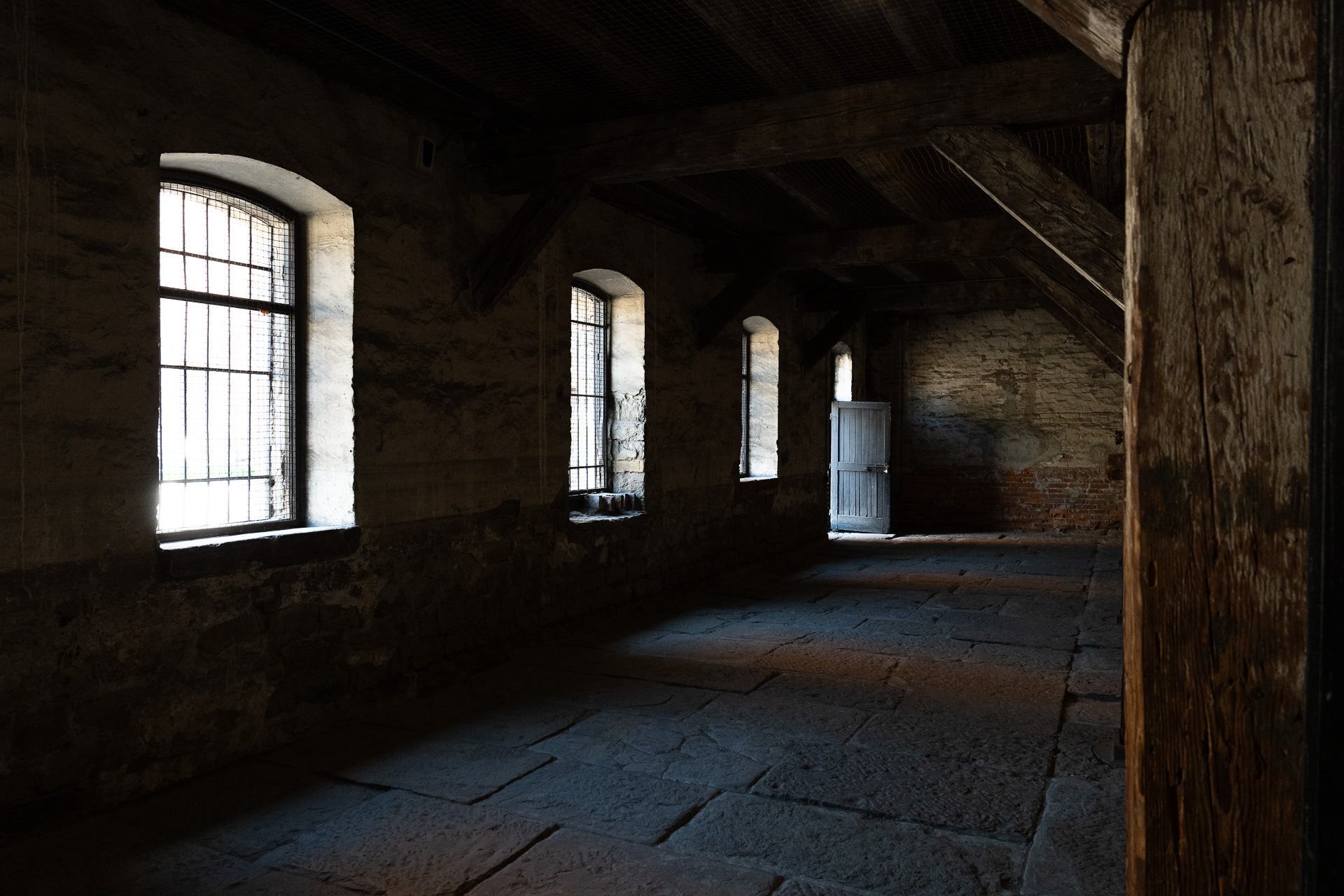
The Crematorium at the San Sabba Rice Mill
In 1944, a crematorium oven was installed at the San Sabba Rice Mill, making it the only camp in Italy equipped with a crematorium. Here, between 3,000 and 4,000 prisoners were murdered, including Italian, Slovene and Croatian resistance fighters, as well as defenceless civilians, marking the peak of Nazi-Fascist violence in Venezia Giulia.
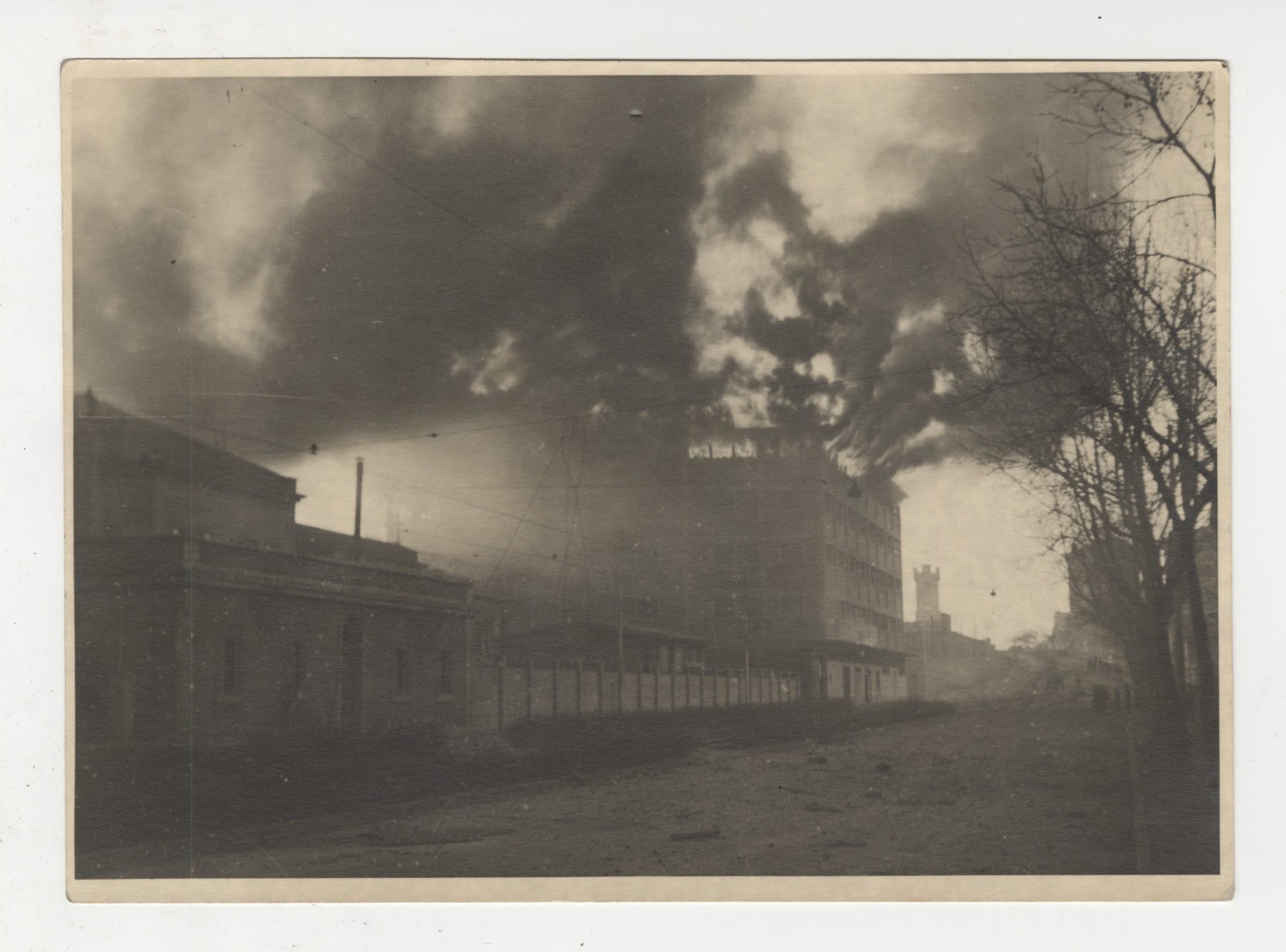
Allied Air Raids
Following the inclusion of the region in the OZAK after 8 September 1943, Friuli and Trieste were subjected to systematic and devastating Allied air raids, aimed at destroying the railway hubs, bridges and stations linking Italy with Austria. Cities such as Udine and key transport centres such as Casarsa were heavily affected. On 10 June 1944, Trieste suffered an especially violent attack that caused more than 400 deaths and numerous injuries.
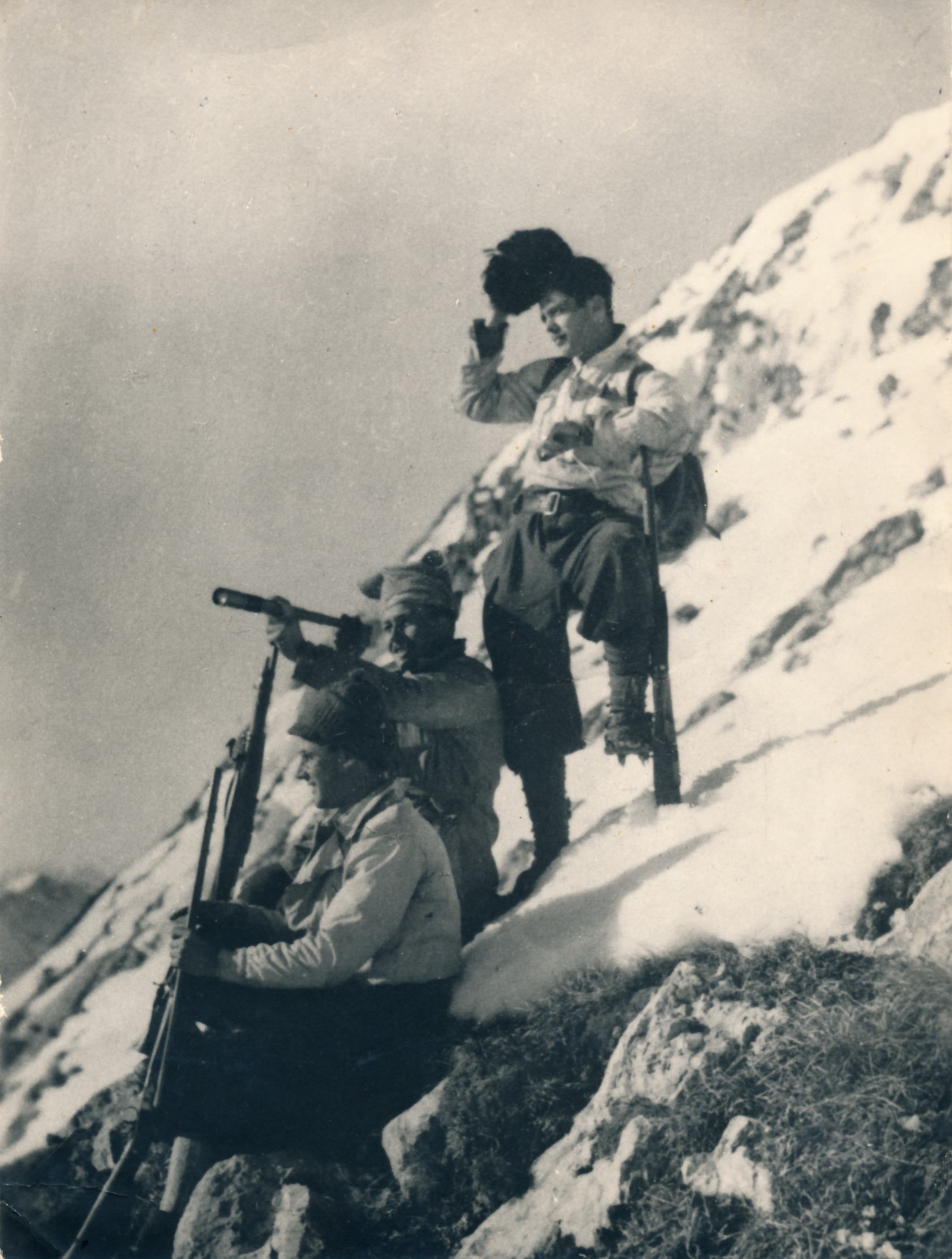
The Partisan Republic of Carnia and Upper Friuli
In the summer of 1944, the coordinated action of the Italian Resistance led to the liberation of a vast mountainous and foothill area from Nazi-Fascist control. This gave rise to the Free Zone of Carnia and Upper Friuli, the largest of the “Partisan Republics” established in northern Italy. This extraordinary chapter of freedom and civilian self-government came to an abrupt end on 10 October 1944, when a violent Nazi-Fascist counter-offensive recaptured the area.
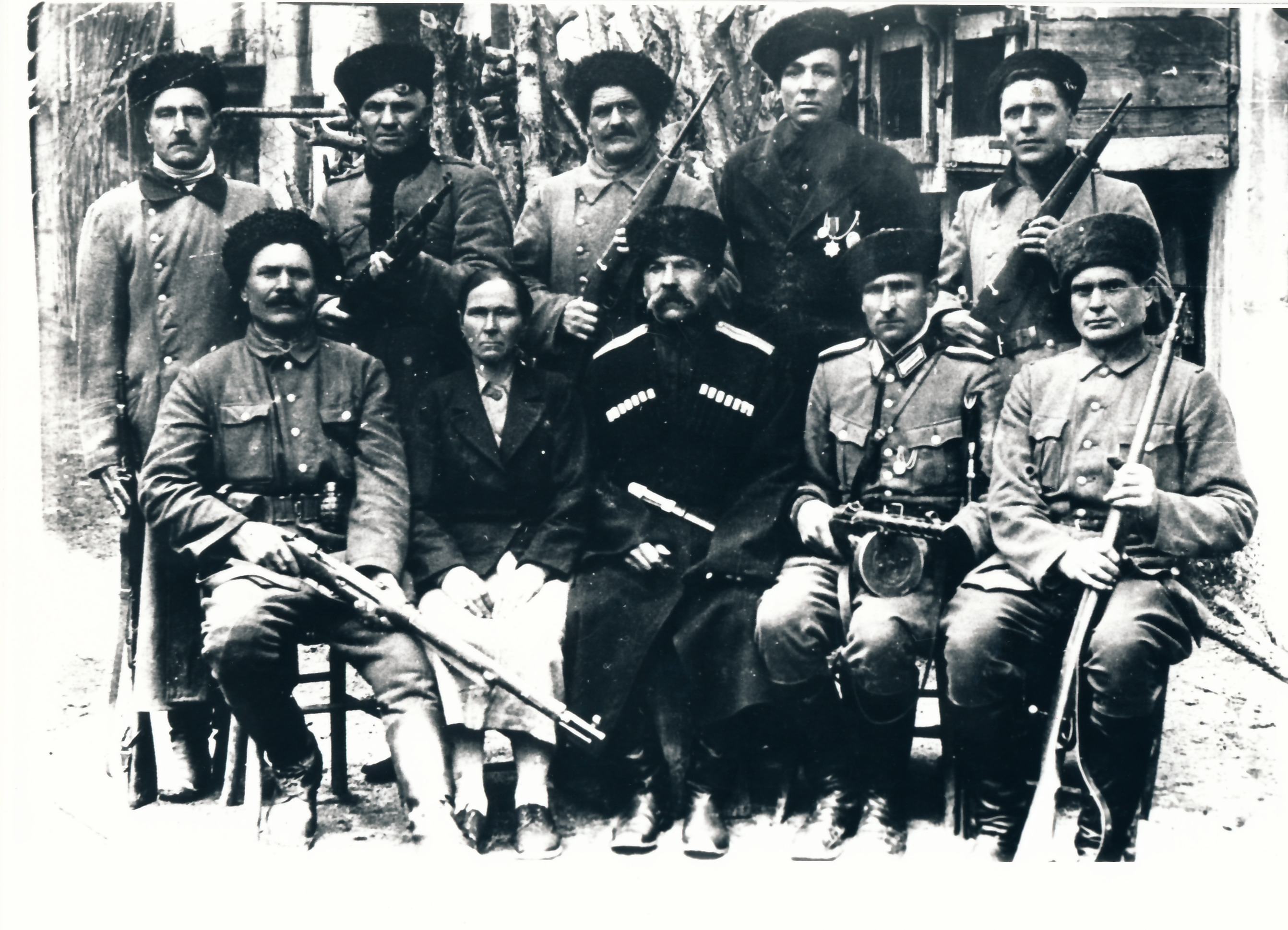
The Cossack and Caucasian Occupation of Friuli
In an effort to counter the advance of the partisan movement and maintain control over the mountainous areas, the German command settled between 20,000 and 40,000 anti-Soviet Russian collaborators, known as Cossacks and Caucasians, in Carnia and Upper Friuli. They arrived in the region with their families, belongings and horses. These were communities that had chosen to cooperate with Hitler in the hope of overthrowing Stalin’s regime.The occupation proved dramatic for the local Friulian communities. Cossack units were employed in ruthless anti-partisan sweeps and were responsible for systematic violence, looting, theft and the burning of entire villages. Their forced settlement left a deep wound in the region’s collective memory.
1945
1945
The Porzûs Massacre and the Internal Rift within the Resistance
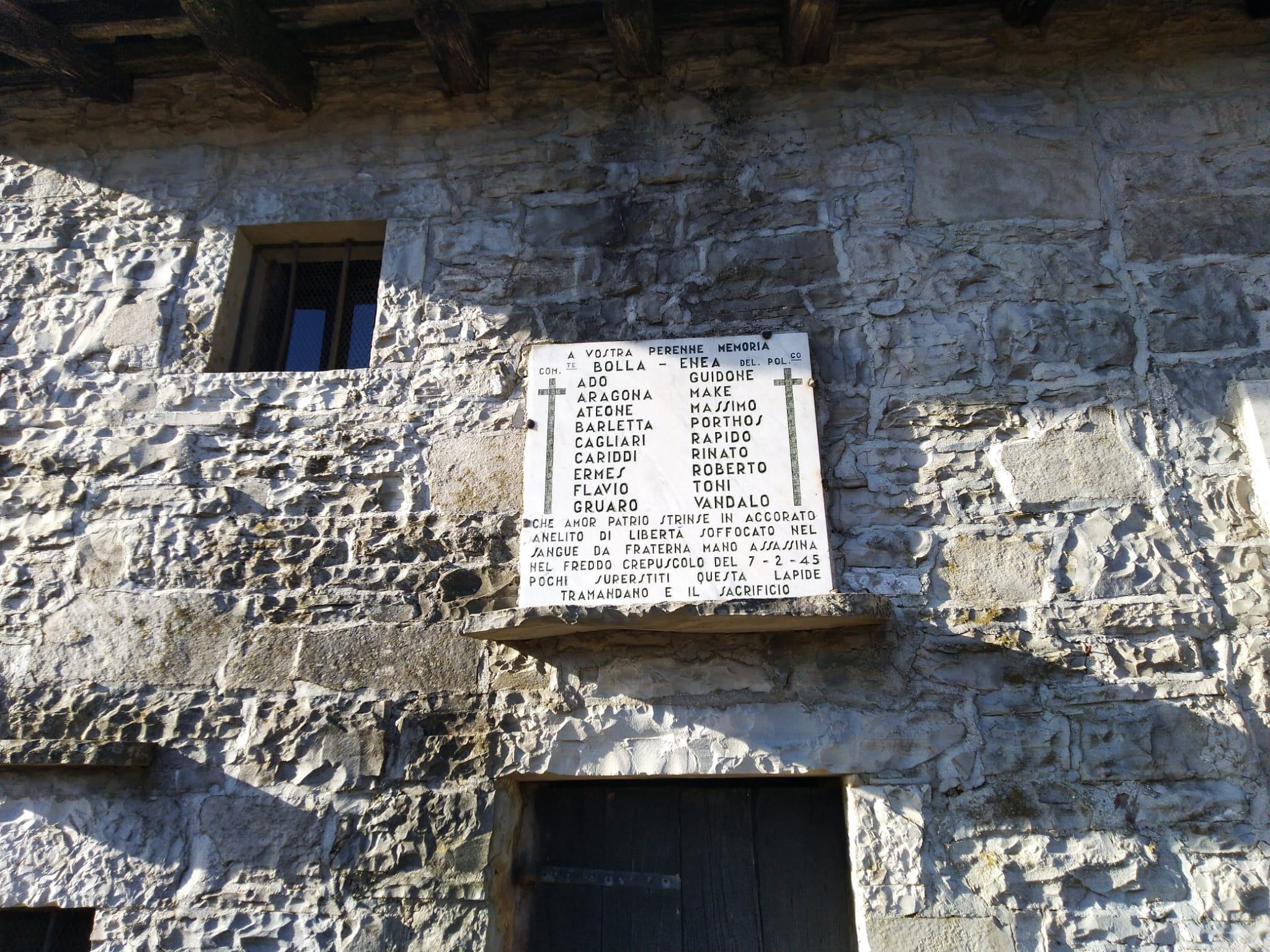
On 7 February 1945, one of the most painful episodes in the history of the Italian Resistance took place at the mountain huts of Porzûs (Faedis). A unit of communist partisans from the GAP attacked the headquarters of the Osoppo Brigade, a formation inspired by Catholic, Action Party and patriotic ideals, murdering eighteen partisans, including commander Francesco De Gregori and Guido Pasolini, brother of the renowned writer Pier Paolo Pasolini. The massacre marked the tragic culmination of the political and ideological tensions within the partisan movement. While the GAP units and the command of the Garibaldi Natisone Division accepted the territorial claims of the Slovenian Liberation Front over the border area, the Osoppo partisans defended the Italian character of the territory.
The Final Allied Offensive and the Liberation of Udine
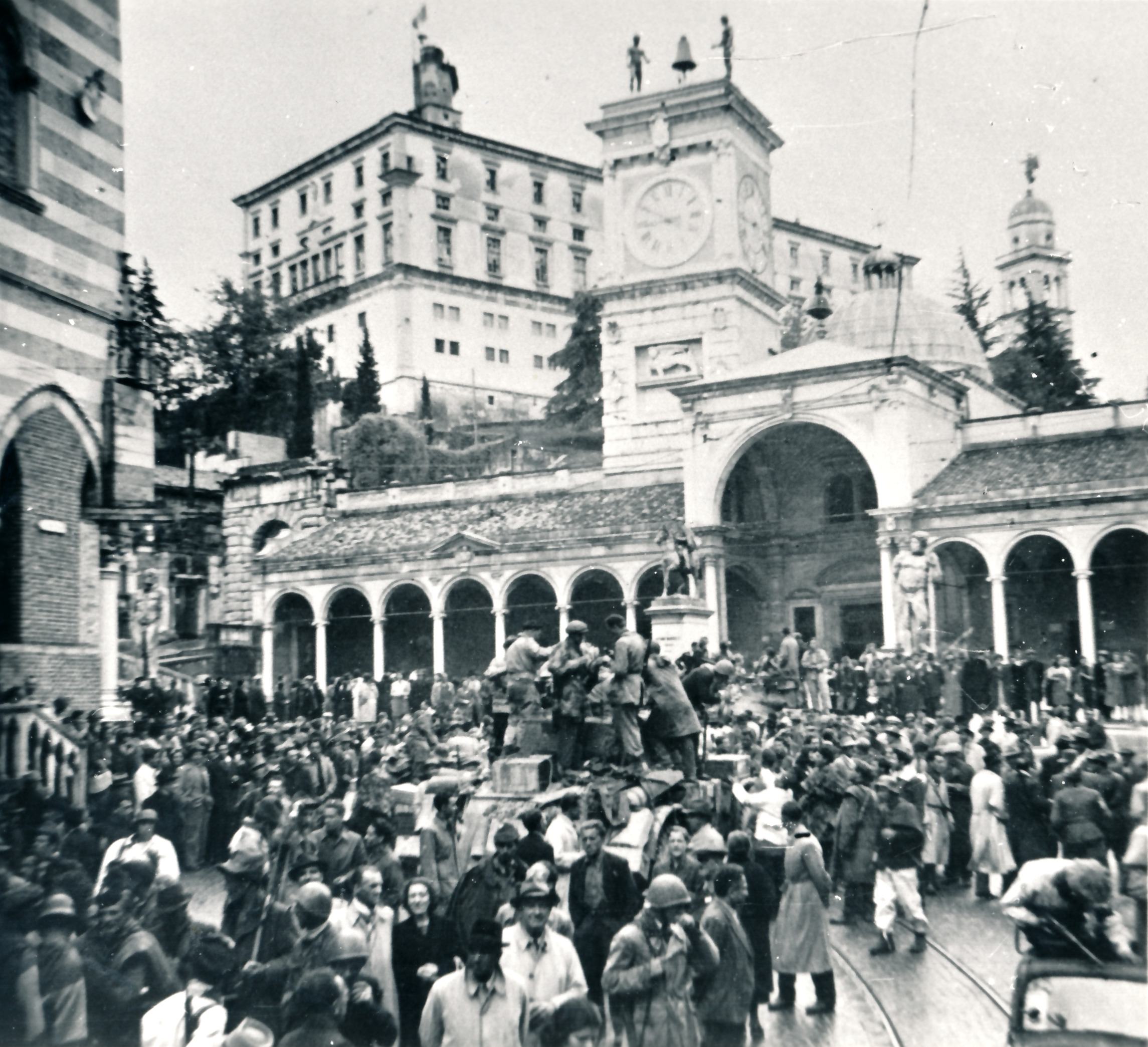
In the final days of April 1945, the Anglo-American Allied forces and the general uprising proclaimed by the National Liberation Committee (CLN) overwhelmed the last Nazi defensive lines in Italy. Faced with the advancing forces, the Cossack units began a dramatic and chaotic retreat towards Austria through the Monte Croce Carnico Pass. On 1 and 2 May, British and New Zealand advance units officially entered Udine and the Friulian plain, marking the definitive liberation of the area from foreign occupation. The arrival of the Allied troops was greeted with immense joy by the local population, exhausted by years of hardship and destruction, although episodes of tension related to public order and civilian security would follow in the subsequent period.
Yugoslav Troops Enter Trieste and Gorizia: the Beginning of the “Forty Days”
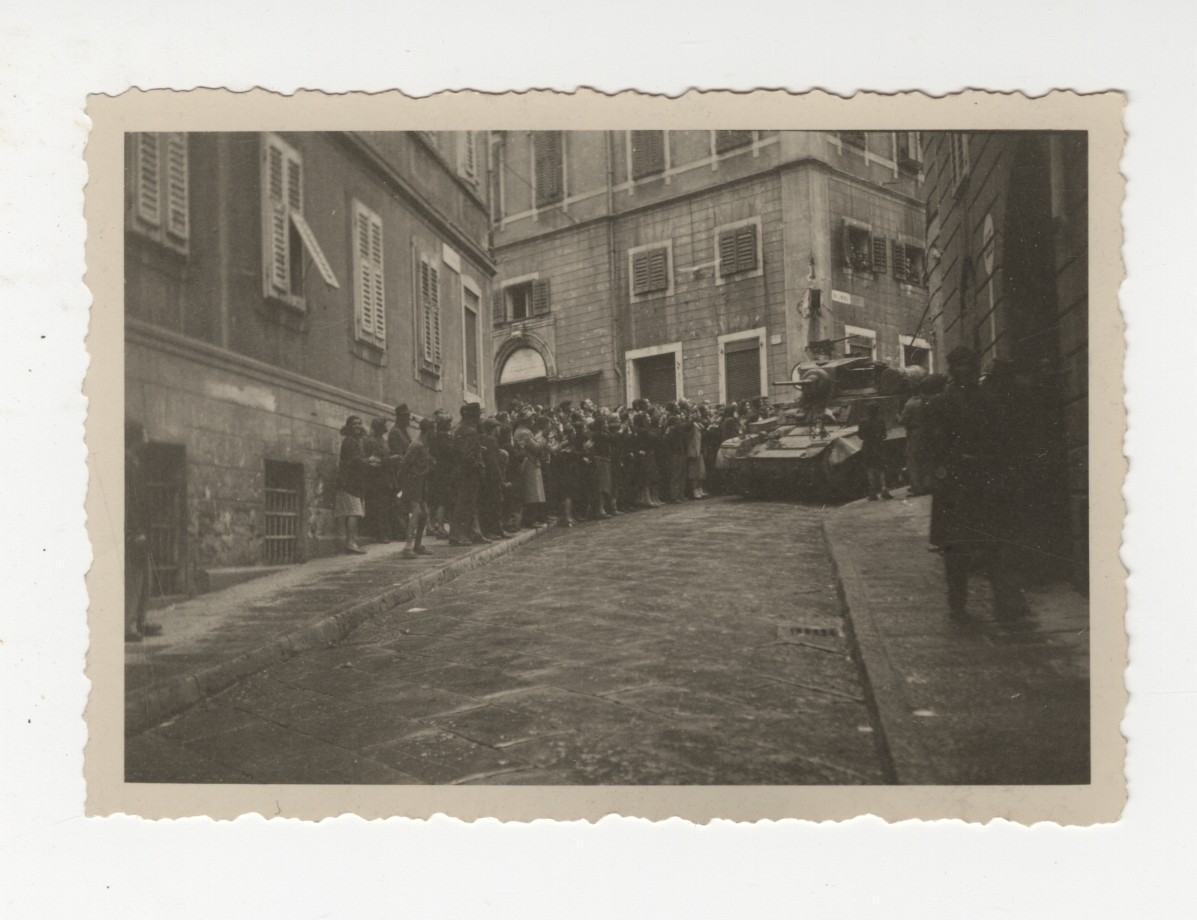
On 1 May 1945, troops of the 4th Army of the Yugoslav Liberation Army led by Tito entered Trieste and Gorizia, arriving ahead of the advancing Western Allied forces. This marked the beginning of the dramatic period of Yugoslav occupation in the Julian cities. Under the military administration of Belgrade, a second and larger wave of foibe killings, executions and deportations took place. These actions targeted not only remaining Fascist officials, but also members of the Italian National Liberation Committee (CLN), police officers, public officials and ordinary citizens opposed to the plans for annexation to the emerging communist Yugoslavia.
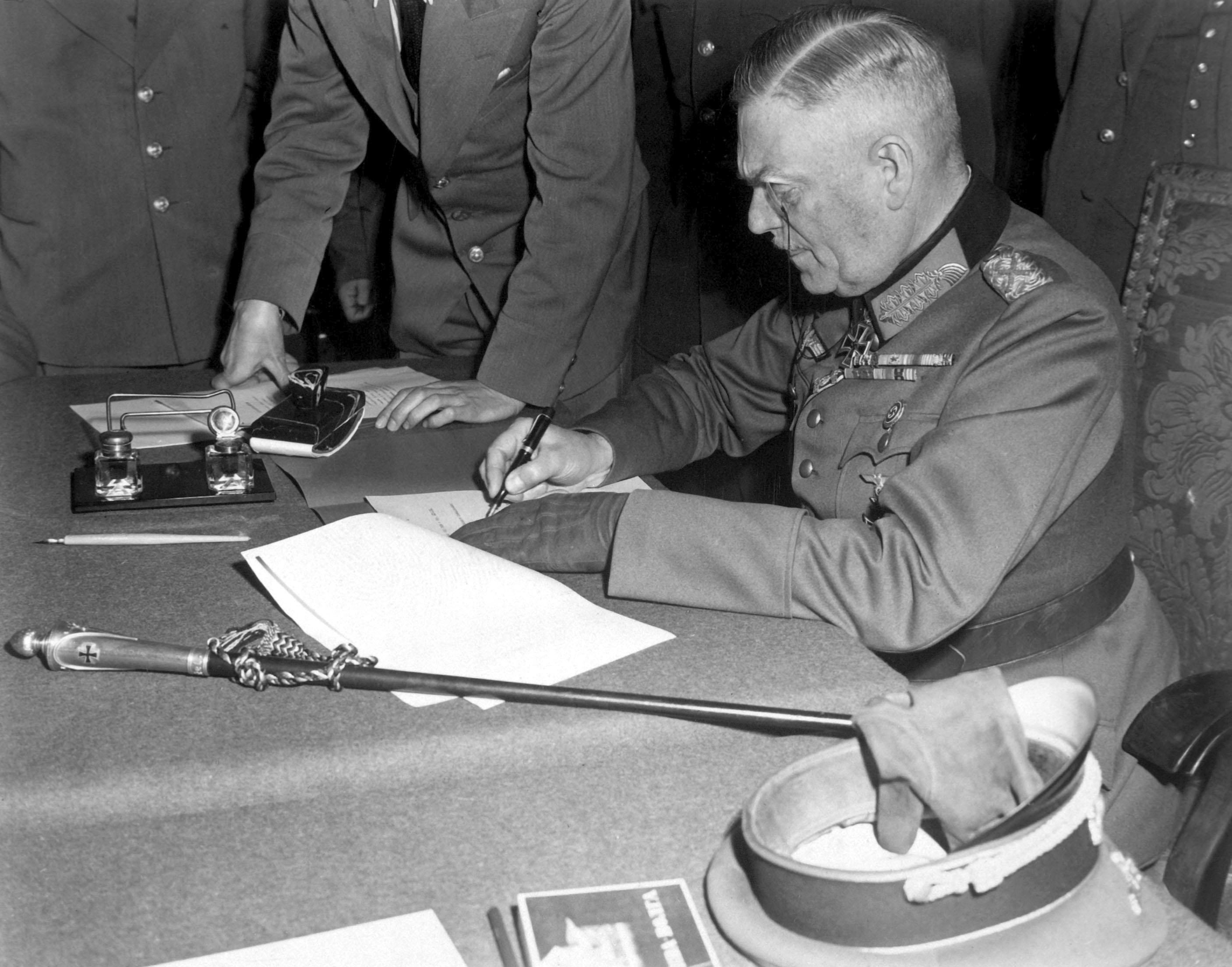
The End of the Second World War in Europe
On 8 May 1945, with the signing of Nazi Germany's unconditional surrender, hostilities in the Second World War came to an end in Europe. The end of the conflict brought a widespread sense of relief throughout Friuli, but in Venezia Giulia celebrations of victory remained overshadowed by deep uncertainty. The defeat of Nazism and Fascism left behind a dramatic power vacuum and a border dispute that was far from resolved. The collapse of the previous order immediately transformed the Julian borderland into the first dangerous arena of diplomatic and military confrontation between the Western Allies and the Communist bloc, marking the beginning of the transition from the Second World War to the Cold War.